
2025 Most Disruptive MBA Startups: WorkforceIQ
Goizueta founders continue to push boundaries across industries—and the broader business world is taking notice. Originally featured by Poets&Quants, this spotlight highlights one of the 2025 Most Disruptive MBA Startups: WorkforceIQ, founded by Goizueta MBA student Omid Razmpour.
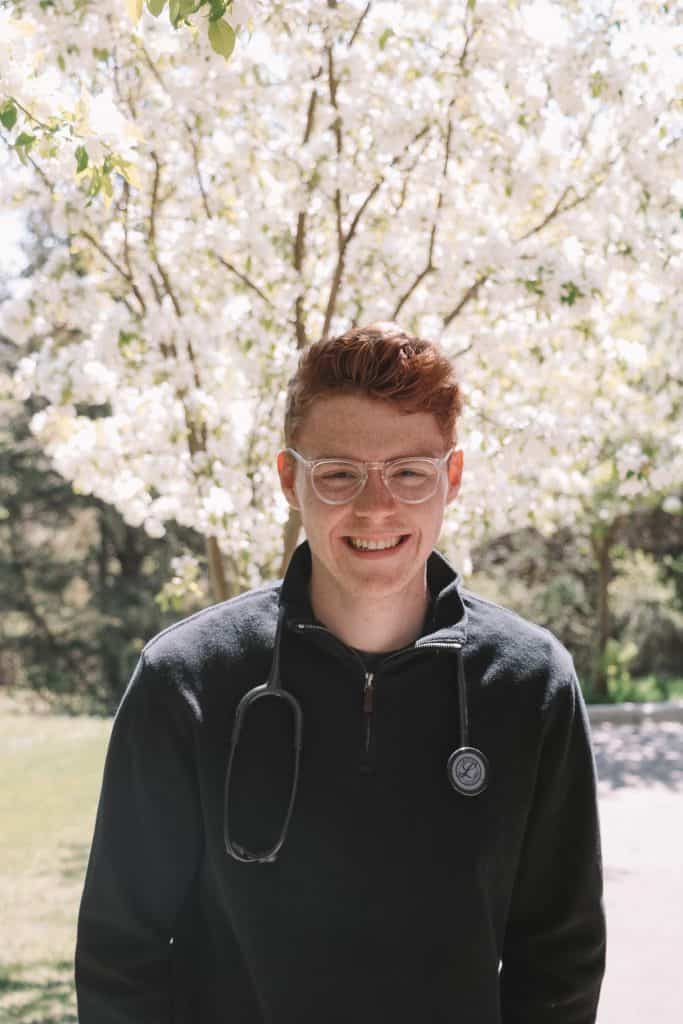
Startup: WorkforceIQ
Industry: Healthcare Technology and Workforce Intelligence
MBA Founding Student Name(s): Omid Razmpour 26MBA, RN, PhD/MBA (c)
Brief Description of Solution: WorkforceIQ is an AI-powered workforce intelligence platform created by nurses for nurses. The platform unifies clinical, financial, and workforce data into a single, secure environment to identify emerging risk patterns, model the financial impact of workforce outcomes, and deliver predictive insights that inform proactive, evidence-based interventions. By translating workforce complexity into clear, actionable intelligence, WorkforceIQ helps healthcare organizations strengthen workforce stability, improve operational performance, and enhance the long-term sustainability of care delivery.
Funding Dollars: 200k+ non-dilutive funding
What led you to launch this venture?
I launched WorkforceIQ because I lived the problem it aims to solve. As a COVID ICU nurse, I witnessed the toll that workforce instability takes on both caregivers and patients. I saw dedicated nurses pushed to their limits, leaving not because they wanted to, but because the system failed to support them. Each loss was a fracture in the foundation of care. I realized that the issue was not a lack of compassion, but a lack of visibility and data-driven understanding. WorkforceIQ was created to change that. It gives voice to the nursing workforce and equips leaders with the insight needed to act before burnout and attrition take hold. At its heart, this company is about turning lived experience into lasting change, ensuring that nurses are supported, valued, and empowered to keep delivering the care that saves lives.
What has been your biggest accomplishment so far with the venture?
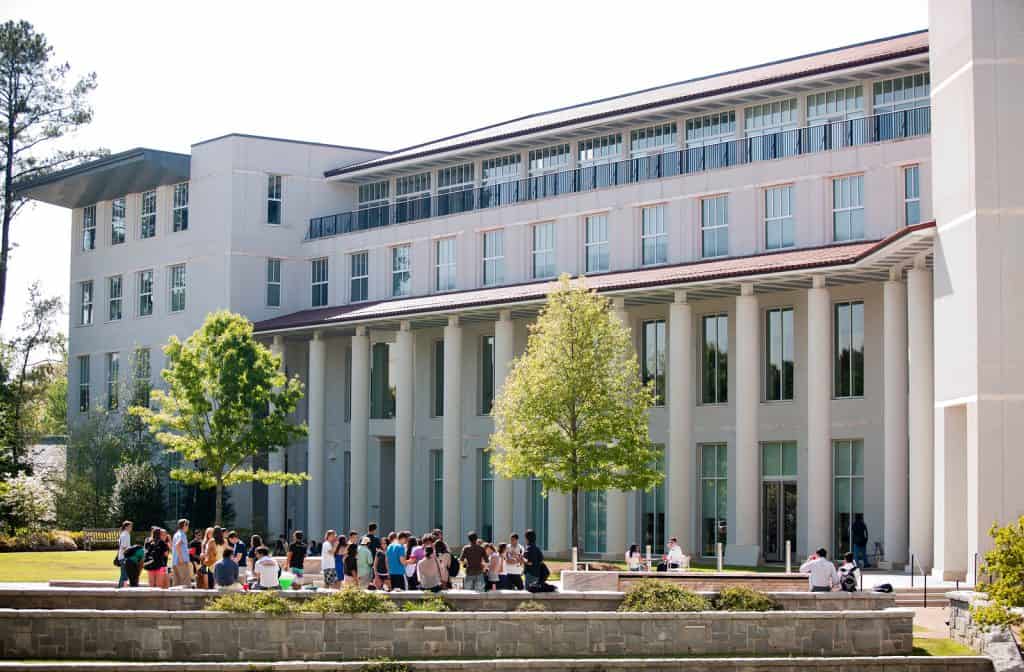
Our biggest accomplishment has been piloting our work at Emory Healthcare and seeing it drive meaningful organizational change. By connecting workforce data with financial and operational metrics, our work has helped leaders understand the true cost of nurse turnover and where investments would have the greatest impact. That analysis contributed to Emory Healthcare’s decision to invest $150 million in its nursing workforce, including pay adjustments, reducing reliance on contract labor, and improving overall workforce stability. Seeing this work come to life within one of the largest academic health systems in the country has been a defining milestone. It showed that when leaders have better data and visibility, they can make smarter decisions that lead to healthier work environments and lasting change for the people who make care possible.
What has been the most significant challenge you’ve faced in creating your company and how did you solve it?
The most significant challenge was having a strong idea but not knowing where to take it or how to prove that it worked in the real world. We knew our approach could make a difference, but without access to real workforce data, it was difficult to show evidence of impact. To solve this, we focused on building relationships and getting in front of the right people. We reached out to leaders at Emory Healthcare, shared our vision, and made the case for why our work mattered. That persistence paid off when we secured the opportunity to pilot WorkforceIQ within the system. Having that partnership has given us the validation, data access, and operational feedback we needed to move from concept to real-world results. It turned an idea into evidence and laid the foundation for everything we are building today.
How has your MBA program helped you further this startup venture?
My MBA at Goizueta Business School completely changed the way I think. Coming from a nursing background with little exposure to business fundamentals, being in that environment opened my eyes to new ways of solving problems and building ideas into scalable solutions. The coursework gave me the foundation I needed, but it was the people I met who made the greatest impact. Collaborating with classmates, mentors, and faculty challenged how I approached this venture and helped shape our long-term strategy. The program not only gave me the tools to build a company, but the confidence and community to believe it was possible.
Which MBA class has been most valuable in building your startup and what was the biggest lesson you gained from it?
The most valuable class for me was Entrepreneurial Private Equity. While I do not see private equity in my future, the mindset and lessons from this course deeply shaped how I approach building a company. Every week, Drs. Klaas Baks and David Panton brought in exceptional guest speakers, from healthcare investors to senior leaders at Apollo and KKR, who spoke candidly about their journeys, challenges, and what it takes to succeed at the highest level.
Hearing from those individuals gave me something I did not know I was missing, which was belief. The biggest lesson I took away was that anything is possible with determination, grit, and resilience. That class taught me to trust my instincts, commit fully to my vision, and start now rather than waiting for the perfect moment. It helped me see that building WorkforceIQ was not only possible, but necessary.
What professor made a significant contribution to your plans and why?
The trajectory of this idea, and my own future, changed when I met Brian Cayce in 2024. As Managing Director of The Roberto C. Goizueta Center for Entrepreneurship & Innovation, Brian became one of the most influential mentors in my MBA experience. He brought me into Goizueta’s entrepreneurship community and opened doors to Atlanta’s growing innovation ecosystem, connecting me with founders, investors, and thought leaders who helped shape the direction of WorkforceIQ.
What makes Brian’s mentorship so impactful is his ability to balance challenge with encouragement. He asks hard questions, pushes you to think strategically, and at the same time provides the guidance and belief that give you the courage to keep moving forward. Whether I needed advice, an introduction, or simply someone to test ideas with, he was there. His support transformed WorkforceIQ from a concept into a viable venture and fundamentally changed how I see myself as a founder and leader.
How has your local startup ecosystem contributed to your venture’s development and success?
Atlanta’s startup ecosystem has played a major role in shaping both me as a founder and the growth of WorkforceIQ. The Techstars Emory Founder Catalyst program helped us take our idea from concept to something real. Mentors like Christy Brown pushed us to think differently about how to build, scale, and communicate our vision. That experience gave us direction and confidence when we needed it most.
The biggest turning point came when we joined Atlanta Tech Village (ATV). What David Cummings and his team have built is more than a workspace; it is a community where founders grow, learn, and support one another. The culture is grounded in generosity and shared experience, creating an environment that constantly pushes you to improve. The network of more than forty advisors who volunteer their time has been invaluable. They have provided guidance, connections, and honest feedback that have directly shaped how we have grown the company. Being part of ATV changed the trajectory of our startup by giving us community, accountability, and access to people who genuinely want to see founders succeed. I truly believe Atlanta is one of the strongest and most supportive startup ecosystems in the country, largely because of what ATV has built.
What is your long-term goal with your startup?
Our vision is to ensure that no decision about nurses is made without using the data that already exists within healthcare systems. Every day, hospitals collect valuable information that could be used to better support their workforce, yet most of it goes untapped. We want to change that. WorkforceIQ aims to turn this overlooked data into meaningful insight that helps leaders understand their teams, anticipate challenges, and invest in the people who make care possible. Over time, we hope to make workforce intelligence a core part of how healthcare is managed, creating stronger, more sustainable systems that care for those who care for others.
Looking back, what is the biggest lesson you wish you’d known before launching and scaling your venture?
The biggest lesson I learned is the importance of marketing, not just the product but yourself and your vision. During my PhD, I focused on the rigor of research, the methodology, data, and outcomes. What I did not realize was that even the best ideas need to be shared in a way that captures attention and builds belief. Being part of the entrepreneurship community during my MBA changed how I think about work. I learned that you are always selling, whether it is yourself, your team, your product, or your vision for the future. How you communicate your work determines whether it moves forward or remains unseen.
