I Went to Copenhagen to Study Happiness. I Left Thinking About Freedom.
Aaron Fondal 27MBA is Goizueta’s inaugural Global MBA Fellow, a new program that pairs the school’s accelerated MBA experience with immersive international study. Throughout the year, Aaron will share reflections from his experiences abroad, exploring how business, public policy, culture, and society intersect across borders.
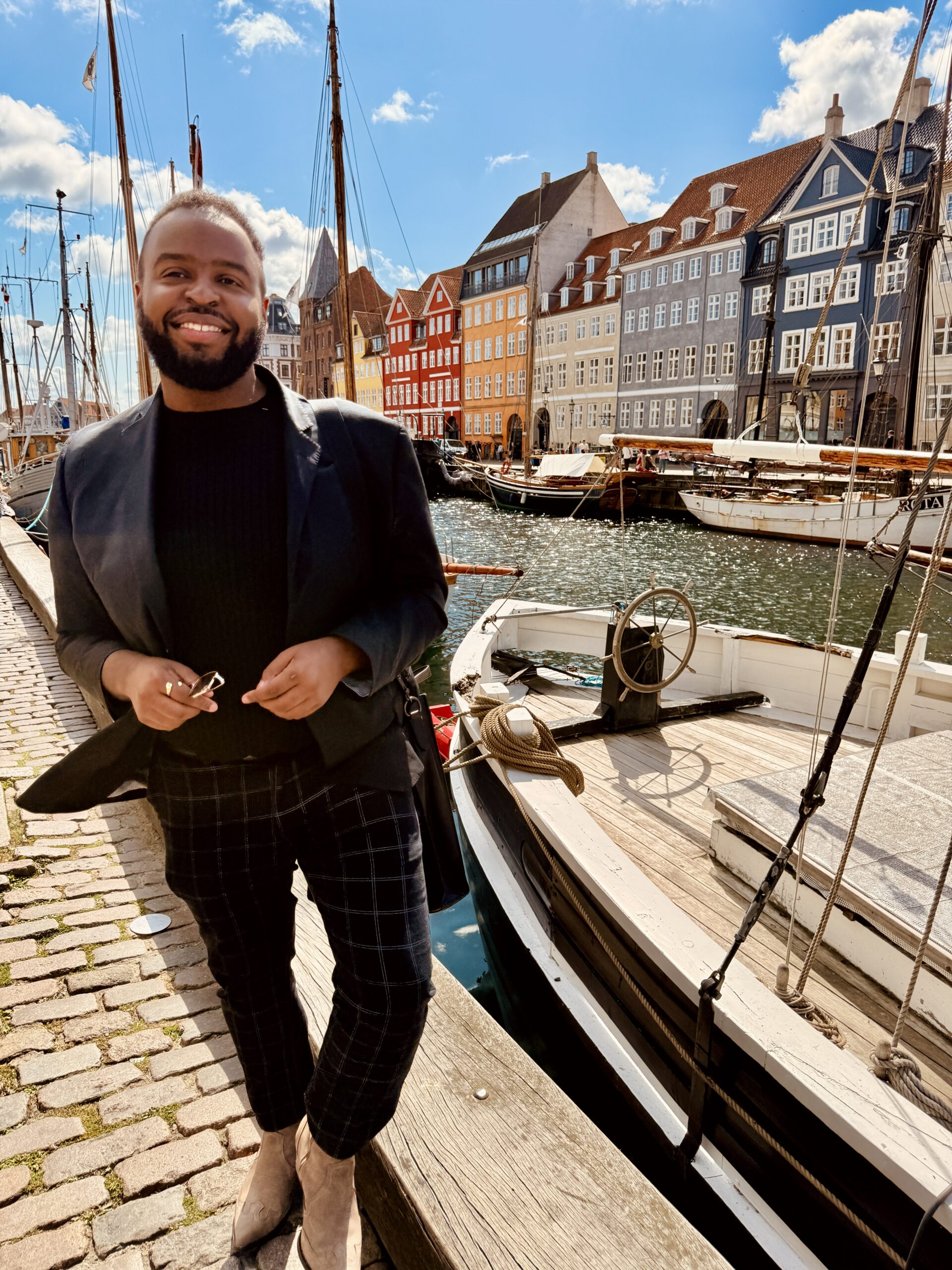
His journey has taken him from the classroom in Atlanta to Copenhagen for Goizueta’s Happiness Blueprint and now to HEC Paris for a full-semester exchange.
In this blog post, Aaron reflects on his time in Copenhagen, where a week spent studying happiness and the Nordic model led him to think more deeply about freedom, risk, opportunity, and the systems that shape people’s ability to make meaningful choices.
One of the experiences that initially drew me to Goizueta’s Global MBA was the opportunity to spend time in Denmark studying happiness and the Nordic model. Both my academic and professional background in international development interested me in this immersion … and we all want to be happy!
I expected the trip to make me think about happiness and how it intersects with business and societal frameworks. It did. But what I did not expect was how much it would make me think about freedom.
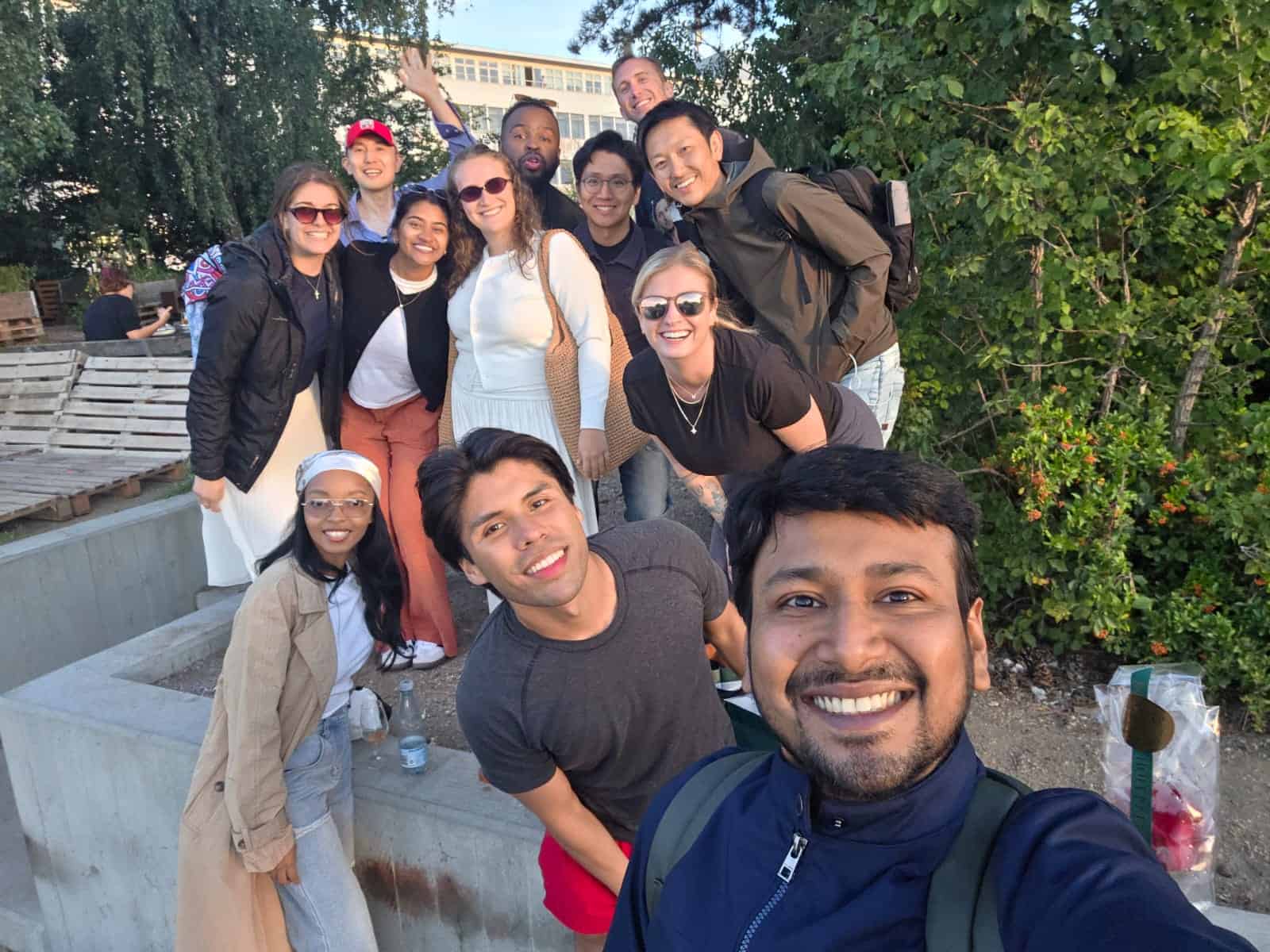
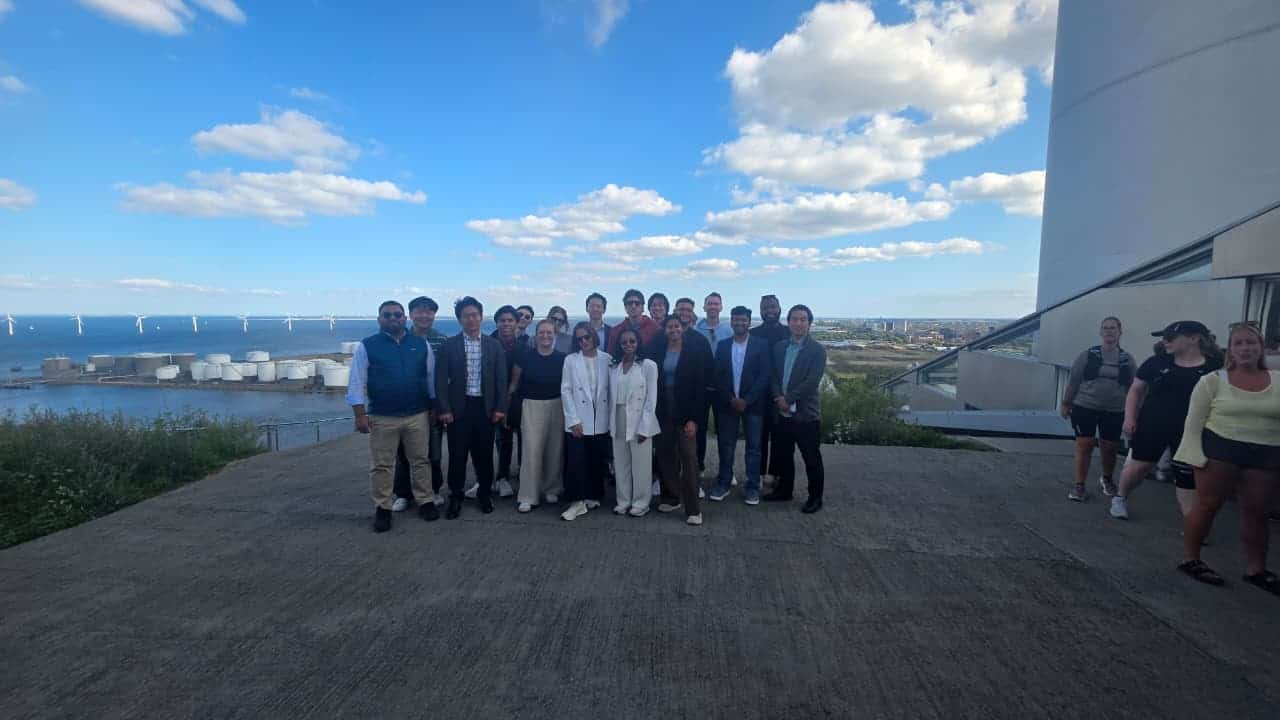
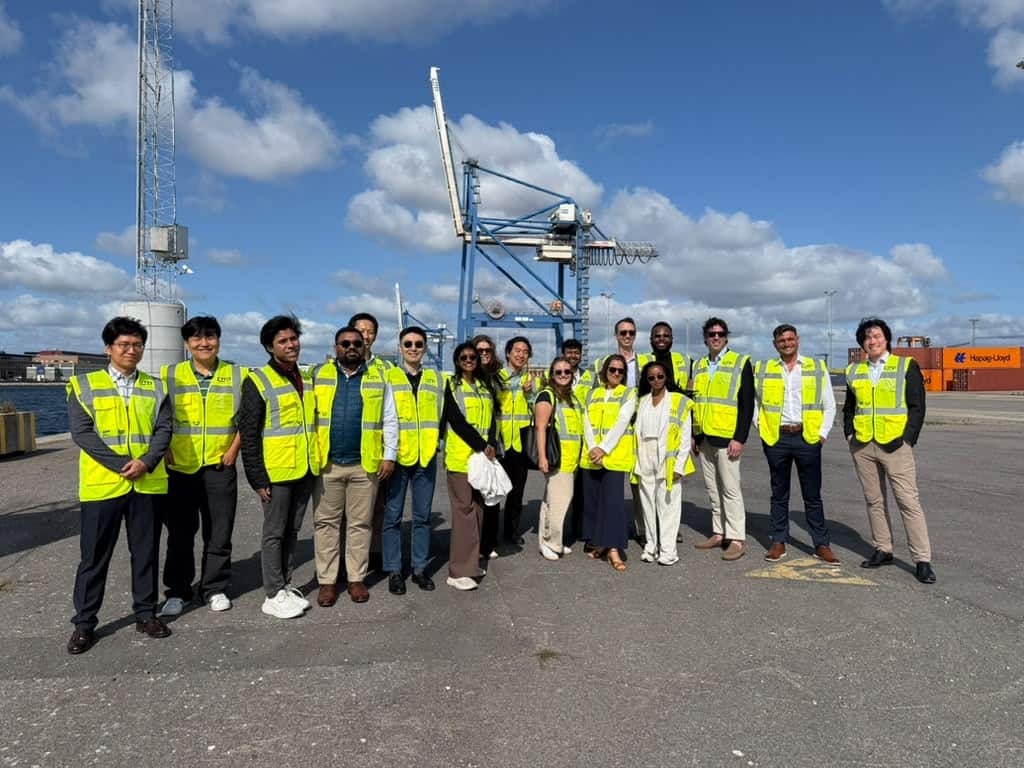
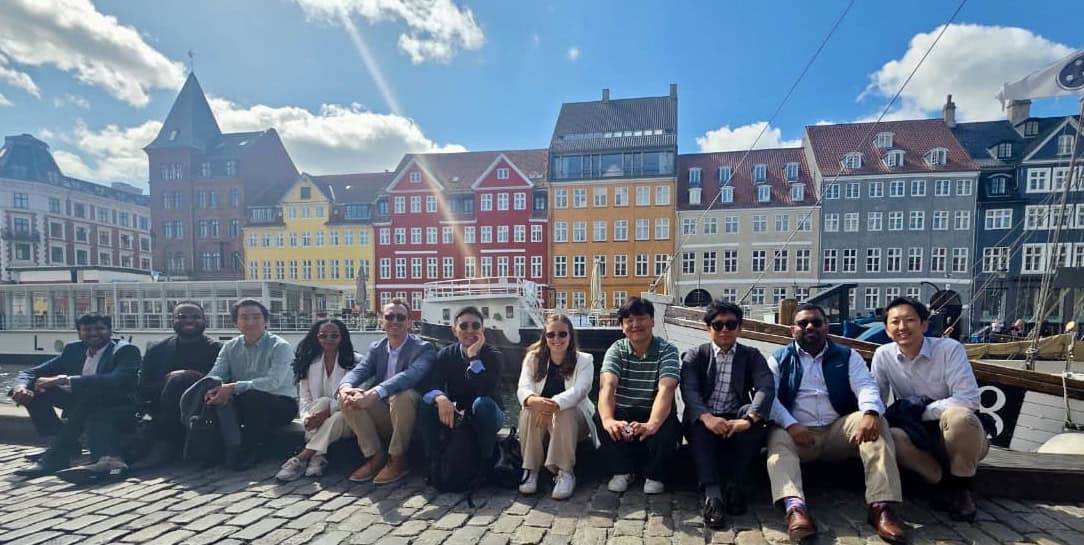
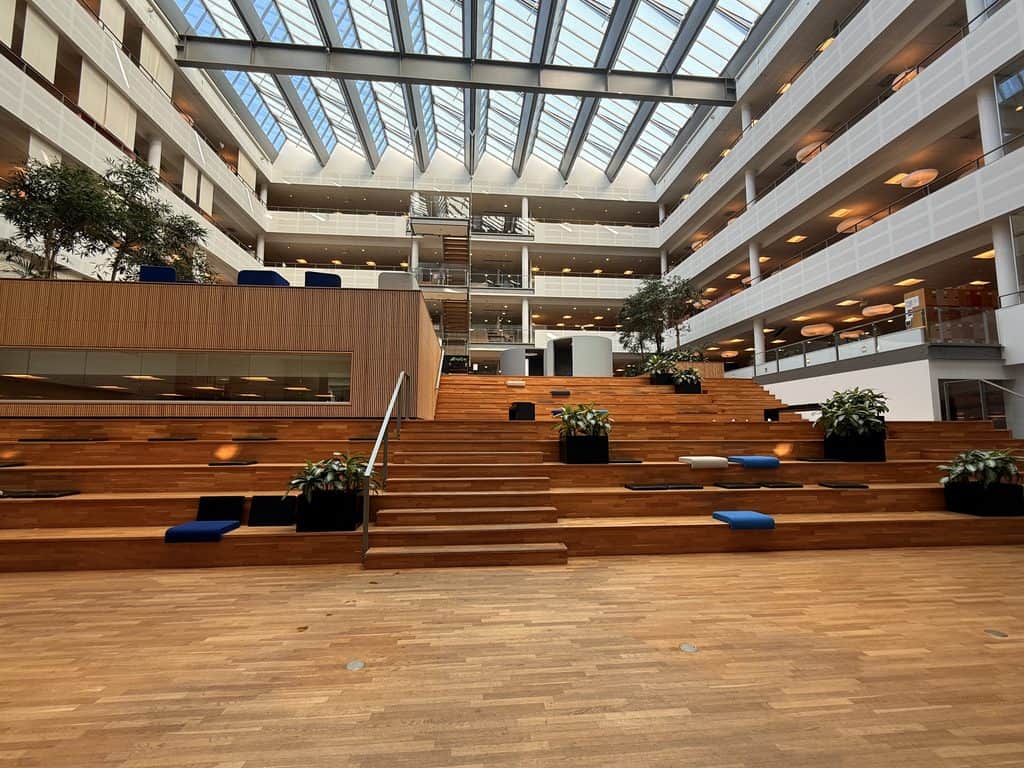
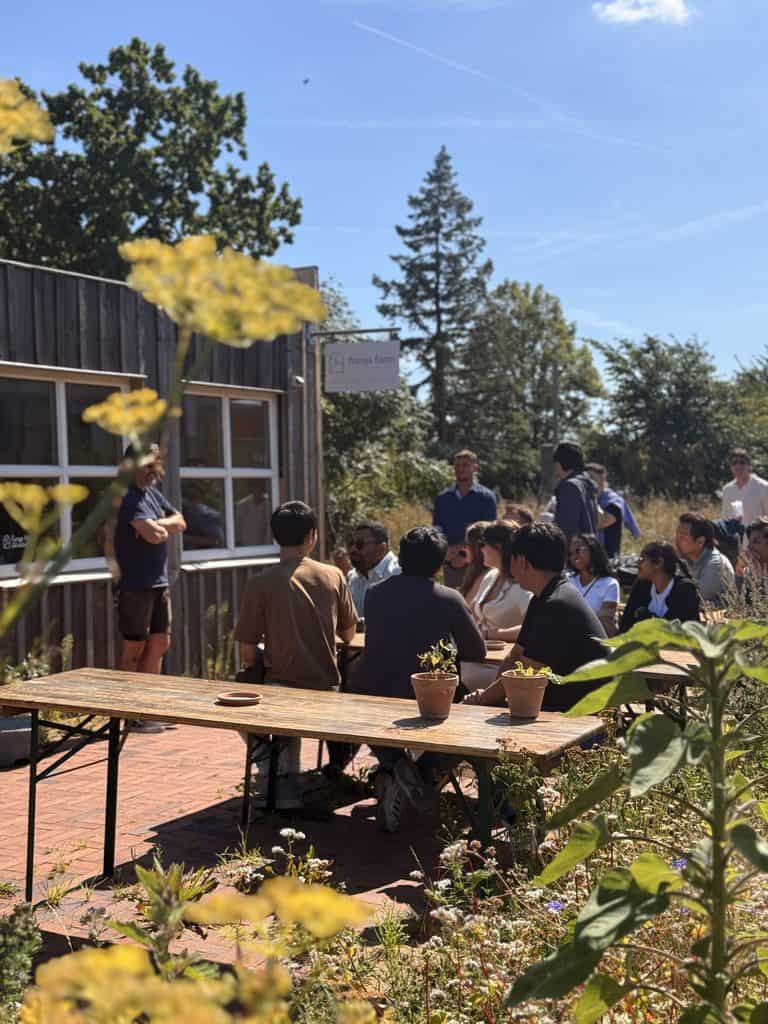
Our week began at Copenhagen Business School with Professor Caroline de la Porte and a discussion of the Nordic model. From there, we moved through very different parts of Danish society: workplace culture, Copenhagen Malmö Port, the U.S. Embassy, Advance Agency, an urban farm, Novo Nordisk, and finally a panel at Bain & Company.
I kept finding myself thinking about the same question from different angles: what actually allows people to feel free to make choices about their lives?

Years ago, during my first master’s degree at Johns Hopkins, I studied Amartya Sen’s idea of development as freedom. His argument stayed with me because it expanded the way I thought about development. Economic growth matters, of course, but so do the actual capabilities people have. Whether they can access education, participate in society, pursue work they value, care for their families, or make meaningful choices about the direction of their lives. Not the day just being about working the 9-to-5, what a way to make a living.
Although a wealthy city within a wealthy country, my time in Copenhagen made the concept feel much more concrete, and universal across borders.
A recurring theme in our discussions was the Danish social contract. People contribute significantly through taxes, and in return there is a broad set of social protections and public services. My notes from the week are filled with a phrase I heard at the very start, that “everyone benefits, everyone contributes;” skills development and the idea that social investment is connected to economic productivity. One conversation especially stayed with me. A Danish woman who did not have children, shared how she thought about paying taxes that support things like childcare and education. Her answer was essentially that investing in other people’s children was still an investment in Danish society, and therefore an investment in her own future as well.
I remember writing that down because it was such a different way of describing the relationship between the individual and society. It also made me think differently about risk. In business school, we talk constantly about entrepreneurship, innovation, mobility, and the willingness to take chances. We admire people who leave stable jobs, start companies, move across industries, and bet on new ideas. But I’ve wondered how much the surrounding environment affects someone’s willingness to do those things.
If losing a job also threatens your healthcare or your family’s basic security, that of course threatens the calculation. If education, healthcare, childcare, or retraining remain accessible during periods of transition, the calculation becomes easier – we are more willing to pursue our entrepreneurship. That does not make risk disappear, but it puts in place the conditions that enable people to exercise agency in the first place.
Denmark has a large welfare state, but it is also home to globally competitive companies. Think of Novo Nordisk and the breakthroughs in pharmaceuticals that have reshaped conversations around diabetes and obesity treatment. Think of LEGO, a company that has built one of the most recognizable brands in the world around creativity and play. Think of Maersk, whose shipping and logistics operations sit at the center of global trade. None of this proves that Denmark’s social model causes innovation, of course. But it does throw cold water on the idea that a generously funded welfare state and a dynamic private sector must somehow exist in tension with one another. In Denmark, at least, they clearly coexist, with a strong emphasis on collective investment while still expecting high labor-force participation. Its social model asks a great deal of individuals financially, yet many of the institutions created through that model are intended to give people greater security and mobility.
None of that means the Danish model can simply be imported elsewhere. Institutions grow out of particular histories, cultures, political compromises, and levels of public trust. But that is also why comparison is valuable: discovering that assumptions we treat as fixed are actually choices that other societies have answered differently.

I am writing this now from France, where I have begun my semester exchange at HEC Paris, and I am still thinking about Copenhagen. I am still carrying those questions that feel especially relevant for those of us studying business.
As future business leaders, what kinds of conditions are we helping create for the people who work in our organizations and live in our communities? When we talk about entrepreneurship and innovation, how often do we think about the systems that make people more or less able to take risks? How should responsibility be shared among individuals, businesses, governments, and communities?
And within the Goizueta community, as we gain greater capacity to lead organizations, allocate resources, and shape institutions, what will we choose to do with that influence?
Take your MBA beyond borders with Goizueta’s Global MBA. Designed for students who want to immerse themselves in international business, this MBA blends academic rigor, cultural immersion, and real-world experiential learning across multiple continents in just one year.
