
Goizueta Students Put Business Skills to Work for Social Impact
Each summer, Goizueta’s Business & Society Institute co-invests with social enterprise partners to provide stipend funding that creates opportunities for BBA and MBA Student Fellows to work with social enterprises as interns. Here are three of those interns who worked in Colombia, Atlanta, and remotely at various organizations this summer. See their responses below.

Jasmin Lopez 26MBA
Coschool
Bogota, Colombia
Mission of Organization: Improve Social and Emotional Learning outcomes in schools across LatAm
Why did you choose to do this work this summer? What attracted you to the mission?
I chose to spend my summer with Coschool because I wanted to better understand how business strategy can be used to scale social enterprises. Coschool’s mission especially resonated with me because it focuses on helping people across LatAm develop the social and emotional skills they need to flourish. I was also excited by the opportunity to work in Colombia and learn how an education-focused social enterprise grows within a Latin American context. The role allowed me to combine my interests in strategy, education, technology, and economic development while contributing to an organization addressing a meaningful challenge.
What specifically are you working on this summer?
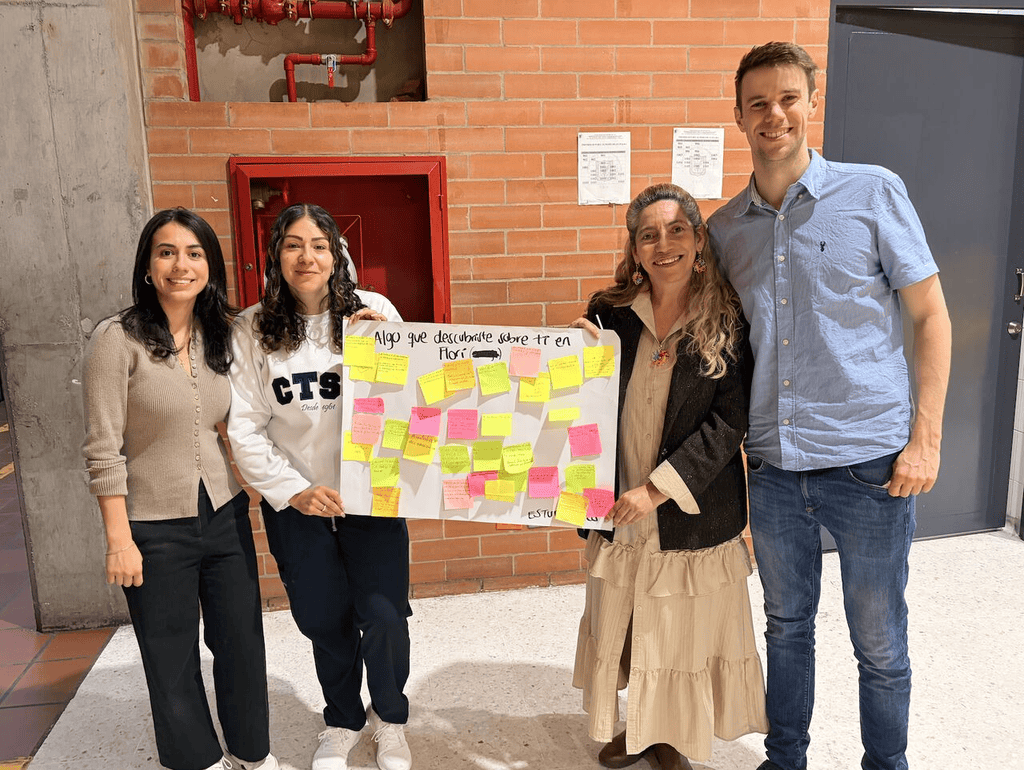
I am supporting Coschool’s growth and strategy initiatives, with a particular focus on Flori, its technology-enabled social-emotional learning platform. My work has included developing international go-to-market strategies for Mexico and the United Kingdom, conducting market and competitive research, analyzing pricing and unit economics, and supporting fundraising and partnership development. I have also helped identify potential investors and grant opportunities and supported events connecting education, technology, and wellbeing leaders in Colombia. The role has given me exposure to both the strategic decisions and day-to-day execution required to scale a mission-driven organization.
How does your work make an impact?
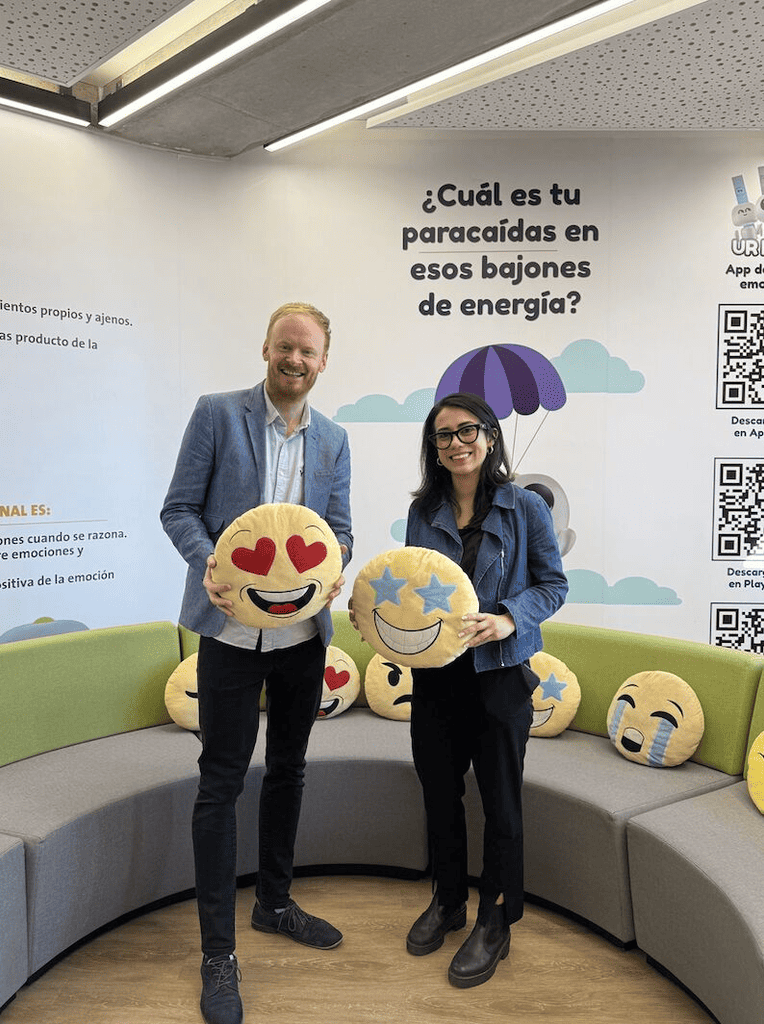
My fundraising and partnership work supports Coschool in identifying the resources and collaborators needed to scale. Ultimately, the goal is to help the organization grow without losing sight of its mission: making social-emotional learning more accessible and helping young people build the skills and relationships they need to flourish.
What have you learned that will make you a better social and/or environmental impact leader?
This summer has taught me that creating impact requires balancing mission with financial and operational sustainability. A strong idea alone is not enough; organizations also need to be flexible in exploring funding models, business models, partnerships, and evidence that their programs are actually creating value for the communities they serve. Working in Colombia has also reinforced the importance of understanding local context rather than assuming that a solution can simply be replicated across markets. As an emerging impact leader, I want to become better at connecting strategy with implementation and ensuring that growth strengthens, rather than distracts from, the underlying mission.
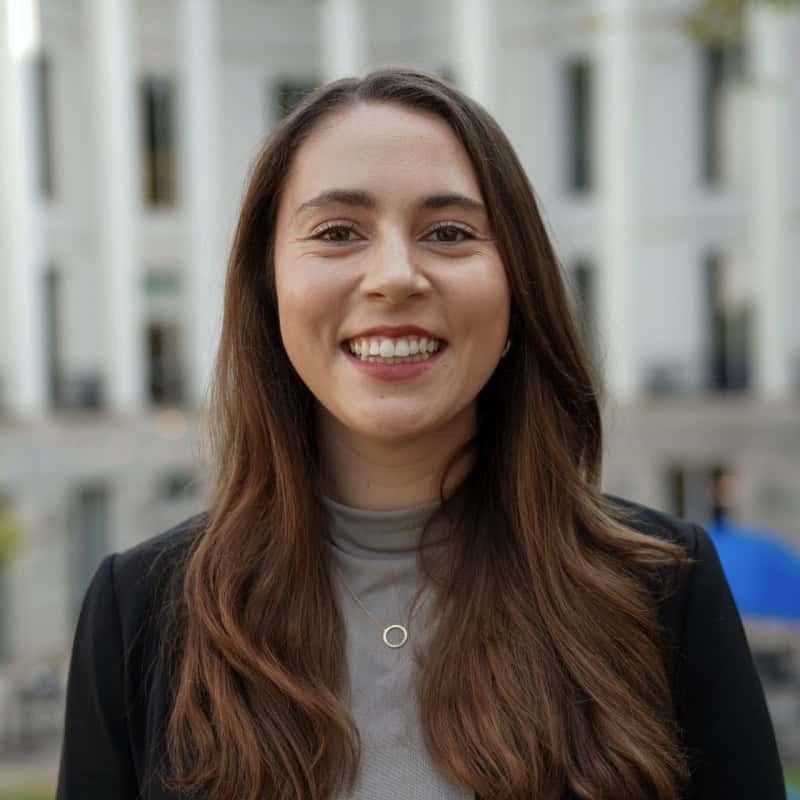
Anna Moceyunas 27MBA
Momentus Capital
Remote
Mission of Organization: To help build communities and small businesses by providing access to the capital and opportunities they deserve.
Why did you choose to do this work this summer? What attracted you to mission?
Before returning to school, I worked as a philanthropic advisor, where I saw firsthand that the organizations doing the most important work often don’t have the financial tools to scale their impact. That gap is exactly why I decided to get my MBA, and why I’m drawn to tools like impact investing, CDFIs, and blended finance as ways to build more equitable local economies. Momentus Capital’s mission, expanding access to capital for underserved communities, spoke directly to that. This internship gave me the chance to go deeper into mission-driven finance and see what strategy work actually looks like in the field.
What specifically are you working on?
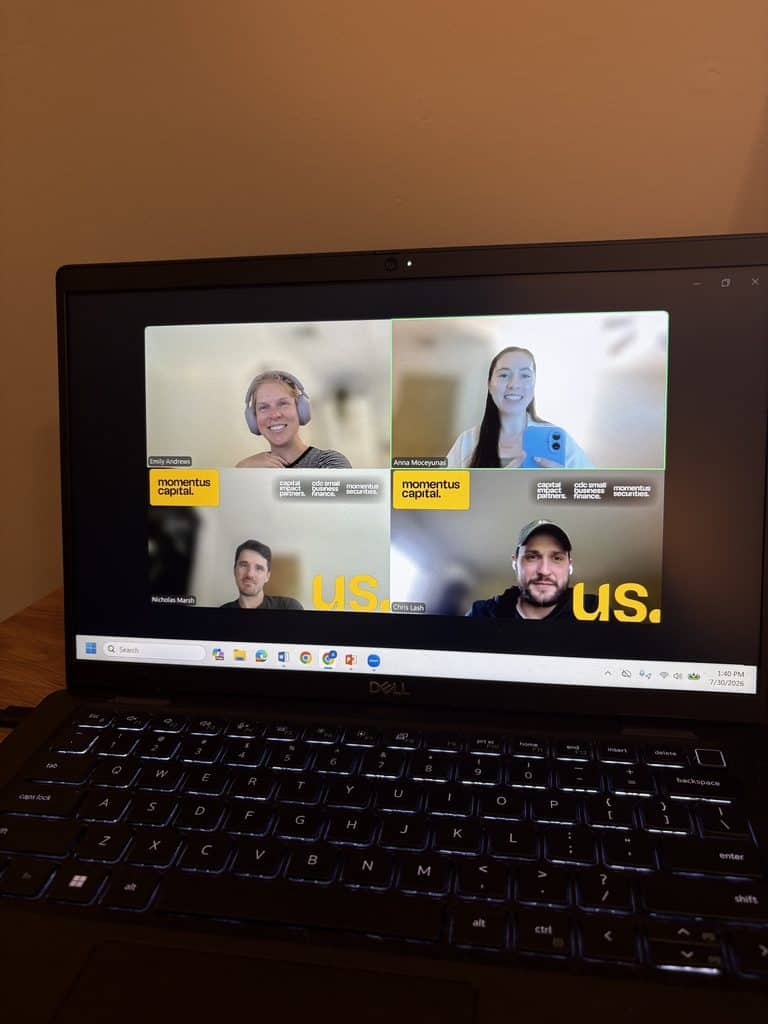
I’m interning on the Impact Strategy team, where I’ve helped develop strategic insights and manage and interpret data on the organization’s social impact and the field at large. One of my favorite projects was running internal staff focus groups to improve engagement and gather feedback on Momentus Capital’s ongoing three-year strategic planning process. I also worked with the fundraising and capital partnerships team, researching a potential donor-advised fund (DAF) strategy. It’s given me a good look at how strategy, data, and fundraising all connect to move an organization’s mission forward.
How does your work make an impact?
The Impact Strategy team supports how Momentus Capital understands impact, both our own and the field’s, and makes sure that understanding actually shapes our strategy and growth. In practice, that means my work helps the organization make more informed decisions about where to focus resources and how to talk about impact with partners, funders, and the communities we serve.
What have you learned that will make you a better social and / or environmental impact leader?
I’ve learned that strong leaders in the mission-finance field treat mission and margin as partners, not competitors. Framing them as opposing forces creates a poor mindset across an organization, one where teams feel like they must choose between doing good and staying financially sound. In reality, the two reinforce each other: financial stability lets a mission endure, and a clear mission gives financial strategy purpose. I saw this firsthand supporting Momentus Capital’s strategy work this summer.
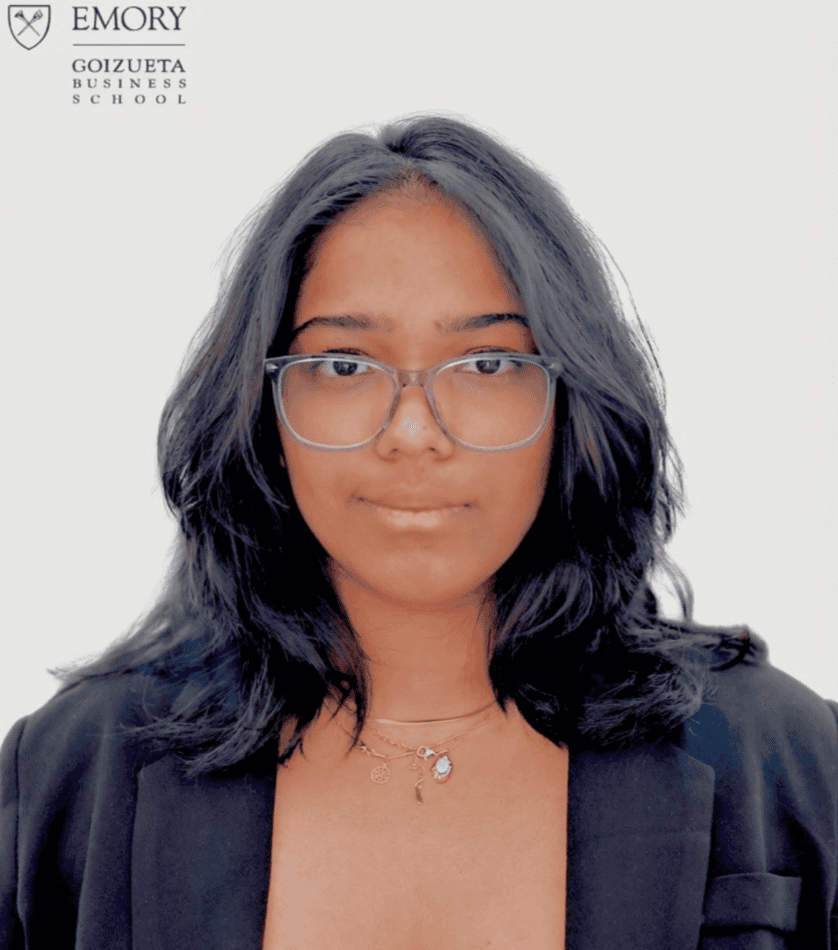
Vyomini Manath 27BBA
Cherry Street Energy
Atlanta, GA
Mission of Organization: Commercial Solar Energy Provider
Why did you choose to do this work this summer? What attracted you to the mission?
Cherry Street Energy is a solar energy provider that uses Power Purchase Agreements (PPAs) to provide power to commercial clients. I was drawn to the company because it works with many organizations across Atlanta, with the one most familiar to me being Emory University itself. Cherry Street operates as an EPC and has created a successful business model that sets it apart from its peers through the quality of its work and strong relationships with customers, leading to many project expansions. This model was especially intriguing to me because it represents how clean energy can scale to meet the needs of an increasingly energy-dependent but environmentally conscious world.
What specifically are you working on?
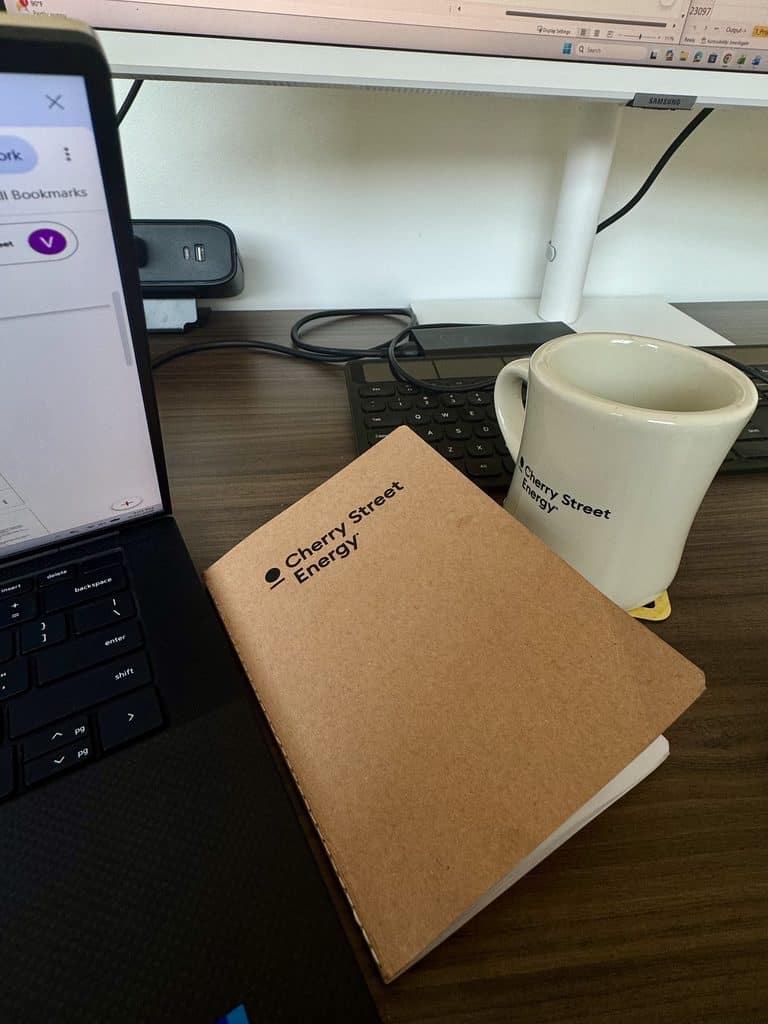
Over the summer, I worked under the Director of Finance and alongside the data team on a range of projects supporting Cherry Street’s transition from a startup-style organization into a more established, process-oriented, and well-oiled company as it continues to grow rapidly. This included contributing to efforts to strengthen internal systems by streamlining feedback loops. Much of my work also involved directly supporting the Finance team through due diligence, conducting project analysis using financial models, and developing sensitivity analyses to better understand project performance.
How does your work make an impact?
My work focused on helping Cherry Street overcome the challenges of scaling into a leading force in the solar energy industry. By supporting financial analysis and improving internal processes, I contributed to strengthening a business model that demonstrates how solar energy can be efficient, cost-effective, and scalable.
What have you learned that will make you a better social and / or environmental impact leader?
The community I found at Cherry Street and the environment fostered in the office are something I will carry with me and seek out in future workplaces. I was particularly struck by the strong culture around sustainability. Through CompostNow, the office had over seven waste segregation bins, and properly sorting waste was an intrinsically motivated habit among employees. Seeing people with different levels of sustainability knowledge participate showed me how leading by example can turn sustainability from a broader philosophy into a practice embedded in everyday actions.
To learn more about how Goizueta Business School works to support changemaking students and social enterprise partners, please visit emory.biz/society.
