Experiential Learning in Guatemala: A Student’s Reflection
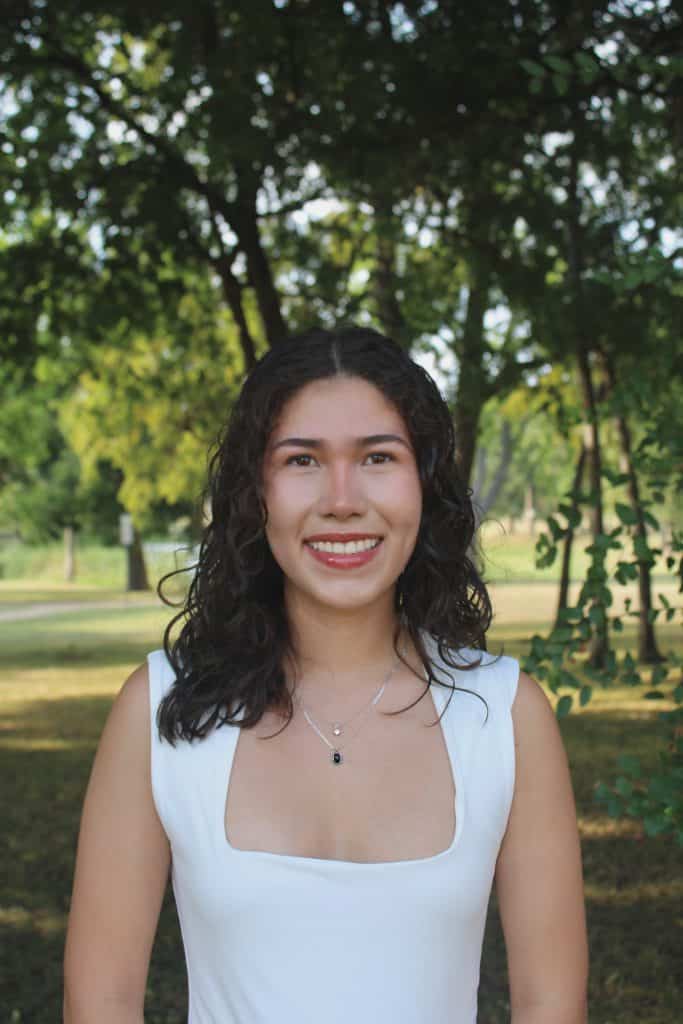
Over spring break, Stephannie Gallardo 27BBA traveled to Guatemala with Professor Peter Roberts for an immersive learning experience exploring the global coffee industry. During the trip, students visited coffee farms, met directly with producers, and engaged with organizations working to support a more transparent and equitable coffee market.
From learning about coffee production firsthand to participating in storytelling projects with farmers, the experience offered a deeper look at the people and processes behind one of the world’s most widely consumed products.
Stephannie shares what stood out most from the trip and how the experience shaped her perspective.
Before we dive into the trip, can you share a little about yourself—your major, interests, and what drew you to Goizueta?
I’m a junior at Emory University’s Goizueta Business School studying Business Administration with an area of depth in marketing. I’m really interested in how brands connect with people and tell stories in a way that feels authentic. What drew me to Goizueta was the collaborative environment and the emphasis on experiential learning. I wanted to be in a place where I could apply what I’m learning in real-world settings, and this trip felt like a perfect example of that.
What initially drew you to this experiential learning opportunity in Guatemala?
Giving back to my community has always been important to me. As a Latin American student with a passion for marketing and storytelling, I wanted to use those skills to help share stories that often go unheard. I was drawn to the hands-on nature of the trip and the opportunity to see an industry from the ground up. The opportunity to travel, learn directly from producers, and understand the global supply chain in a more human way really stood out to me.
What was it like visiting coffee farms and seeing the production process up close?
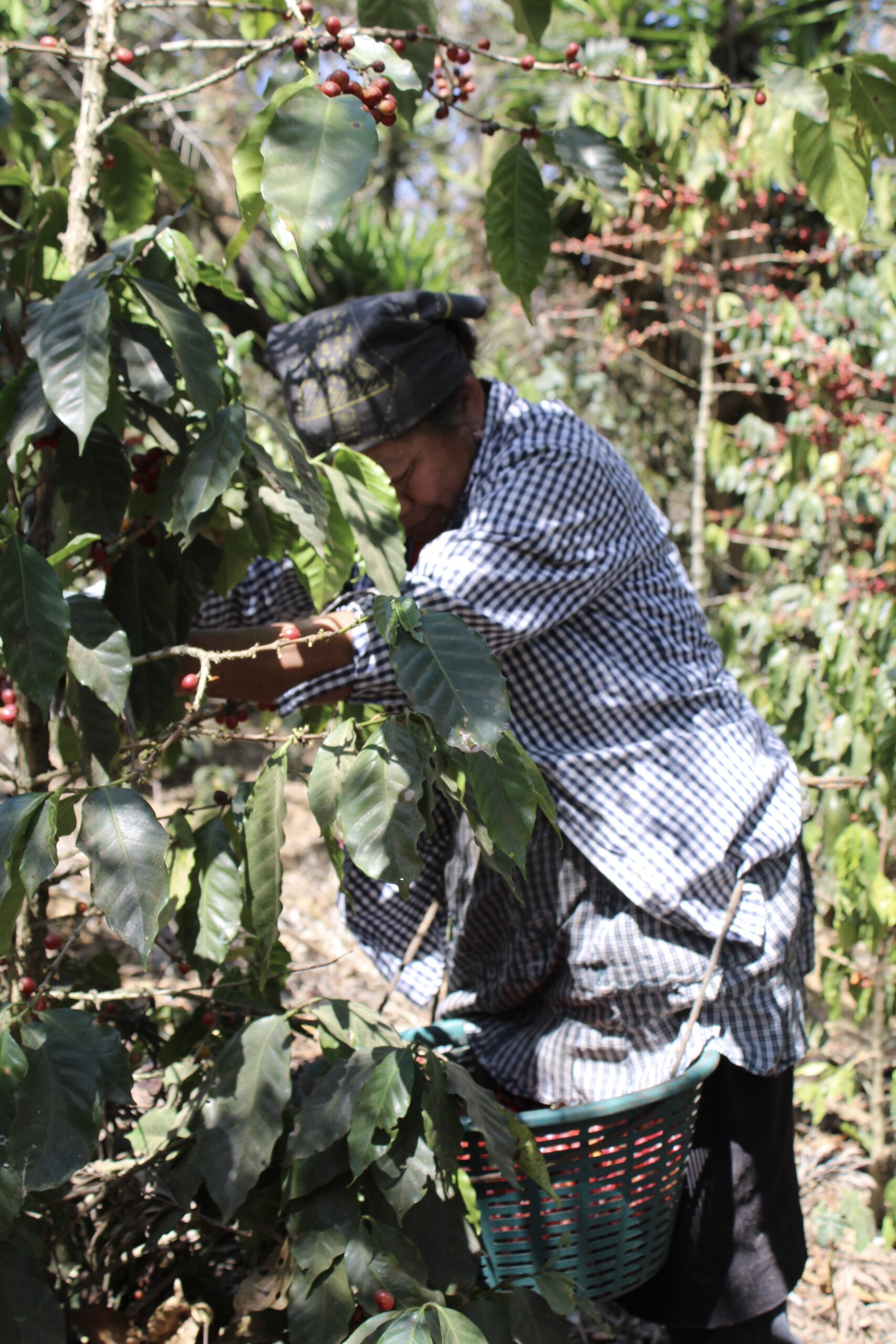
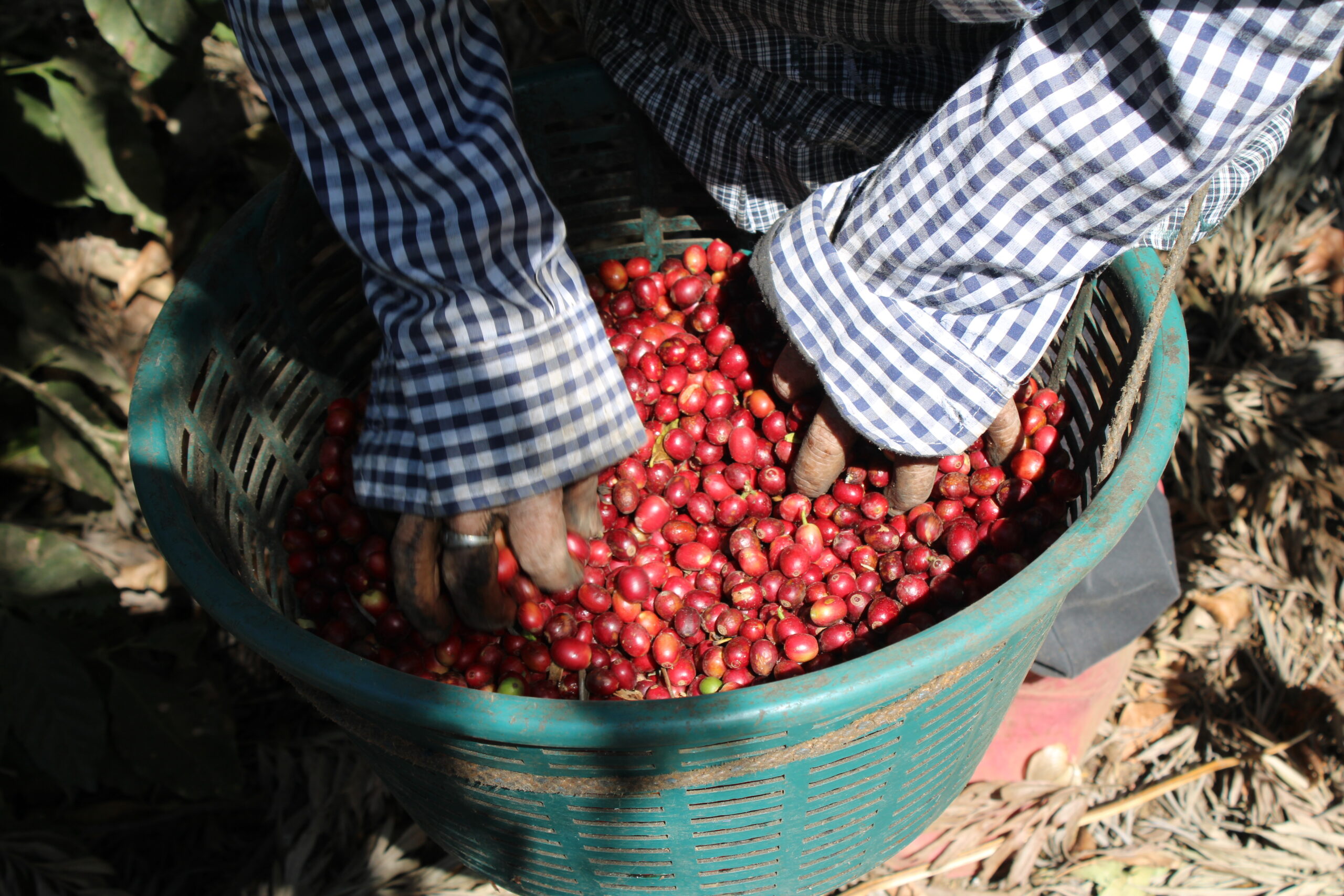
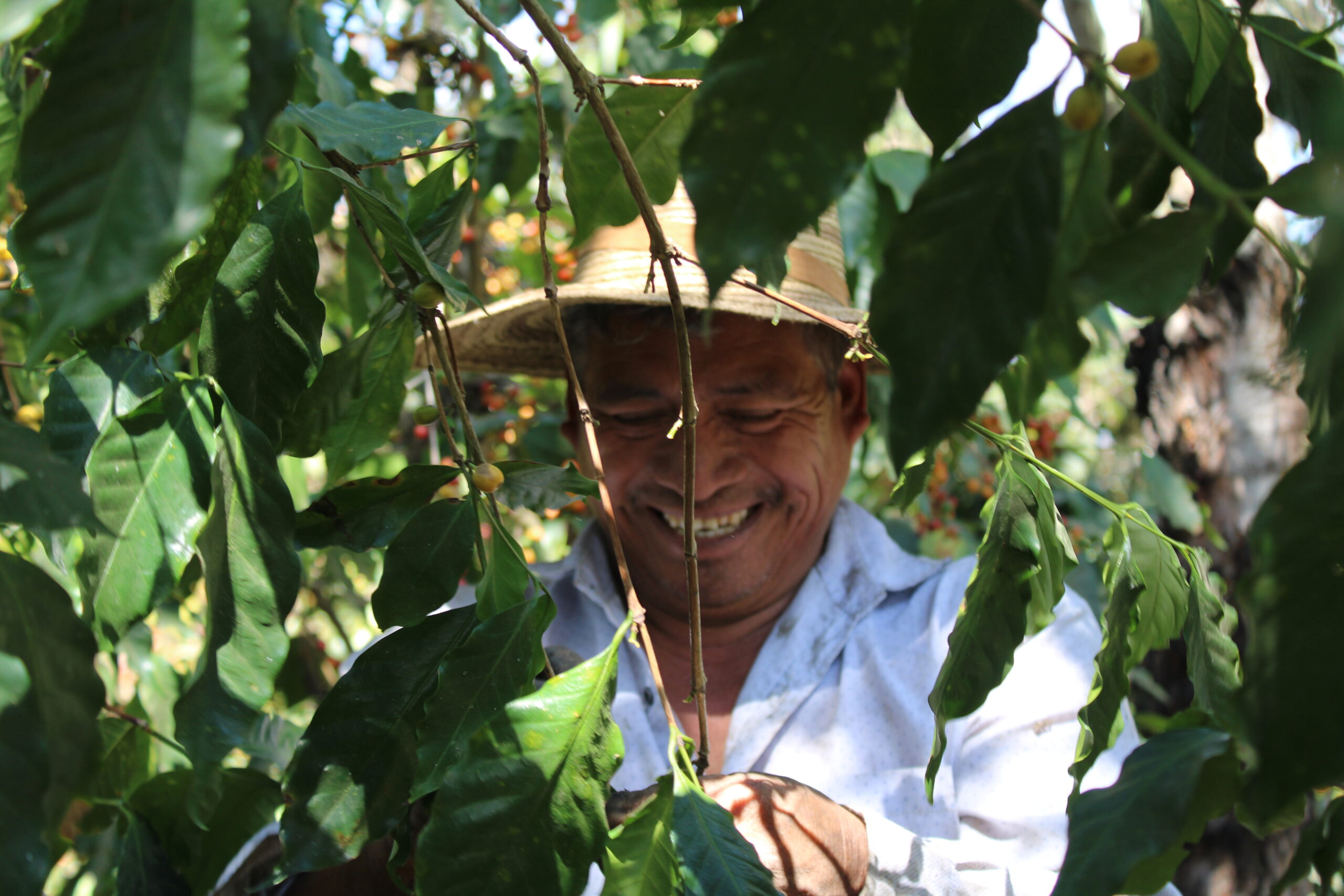
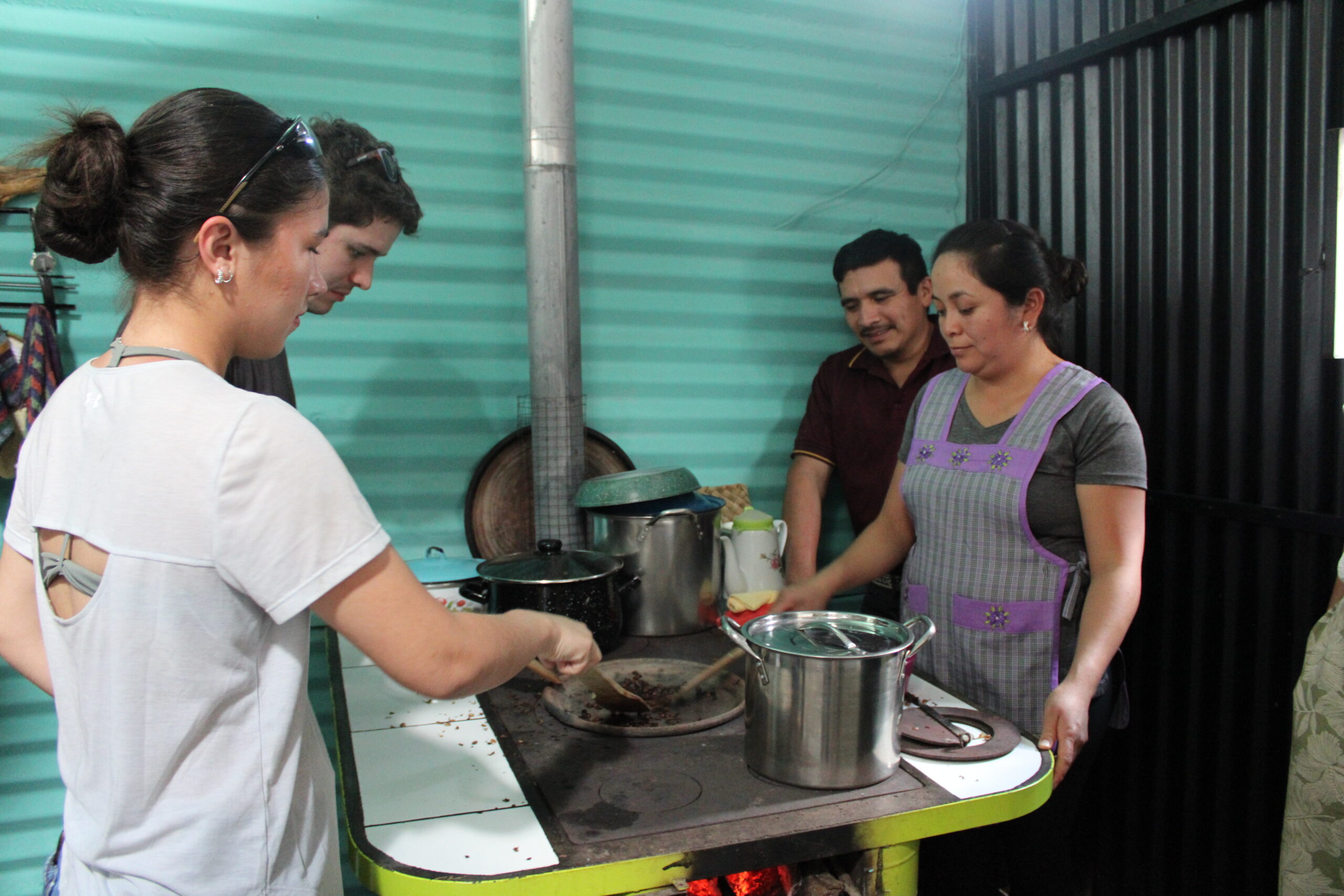
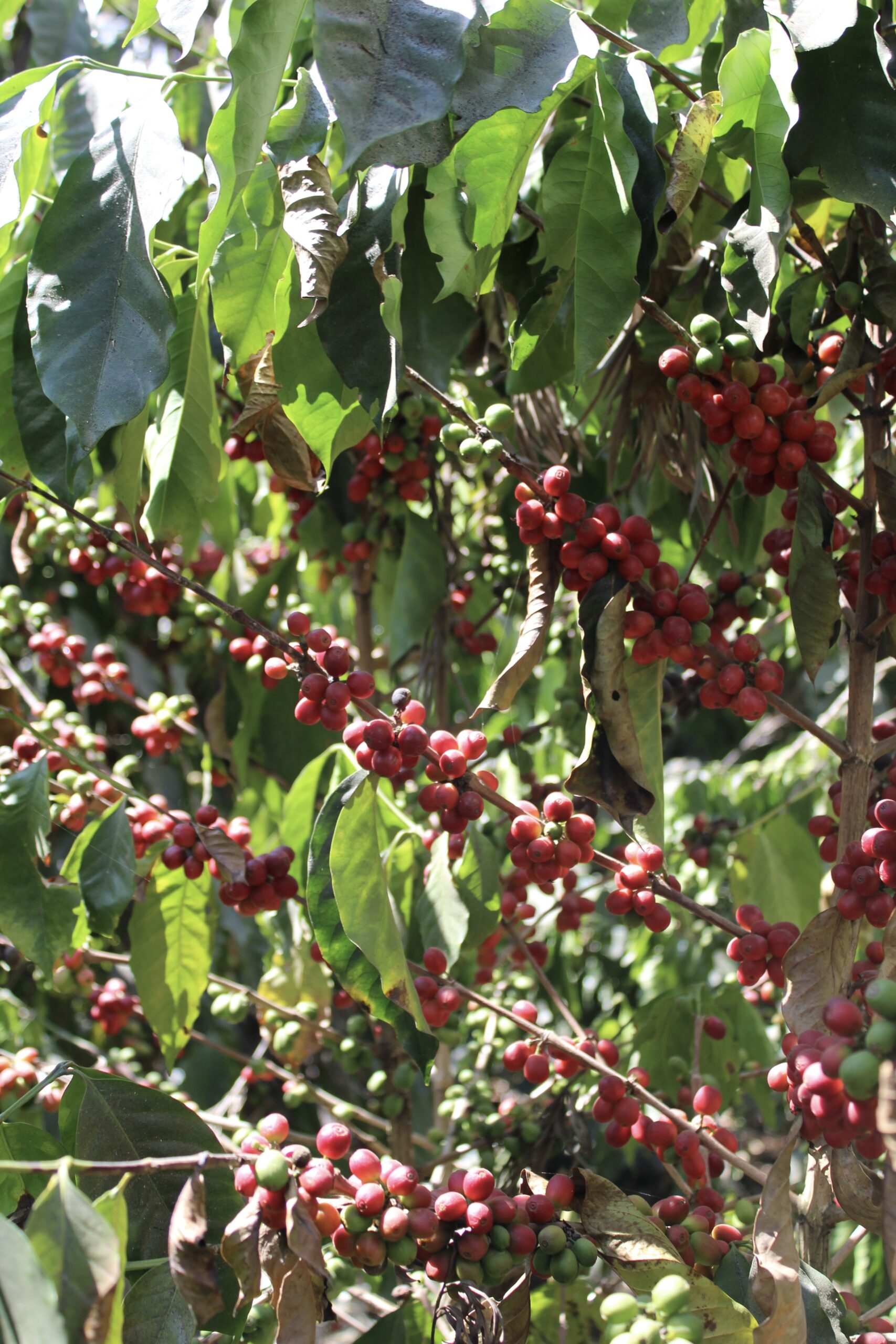
It was eye-opening and incredibly inspiring. Seeing the entire process—from harvesting to drying and roasting—gave me a completely new appreciation for how much work goes into every single cup of coffee. It’s easy to take something like coffee for granted, but witnessing all the effort, precision, and care behind it changed my perspective completely.
You spent time meeting directly with coffee producers and their families. What were some of the most memorable conversations or moments from those visits?
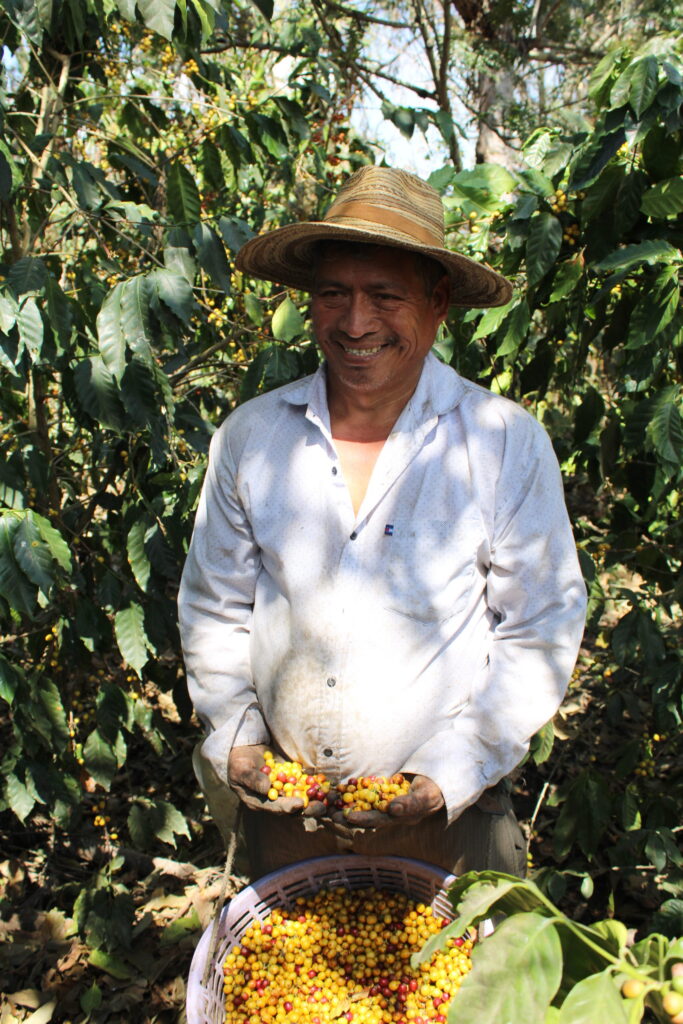
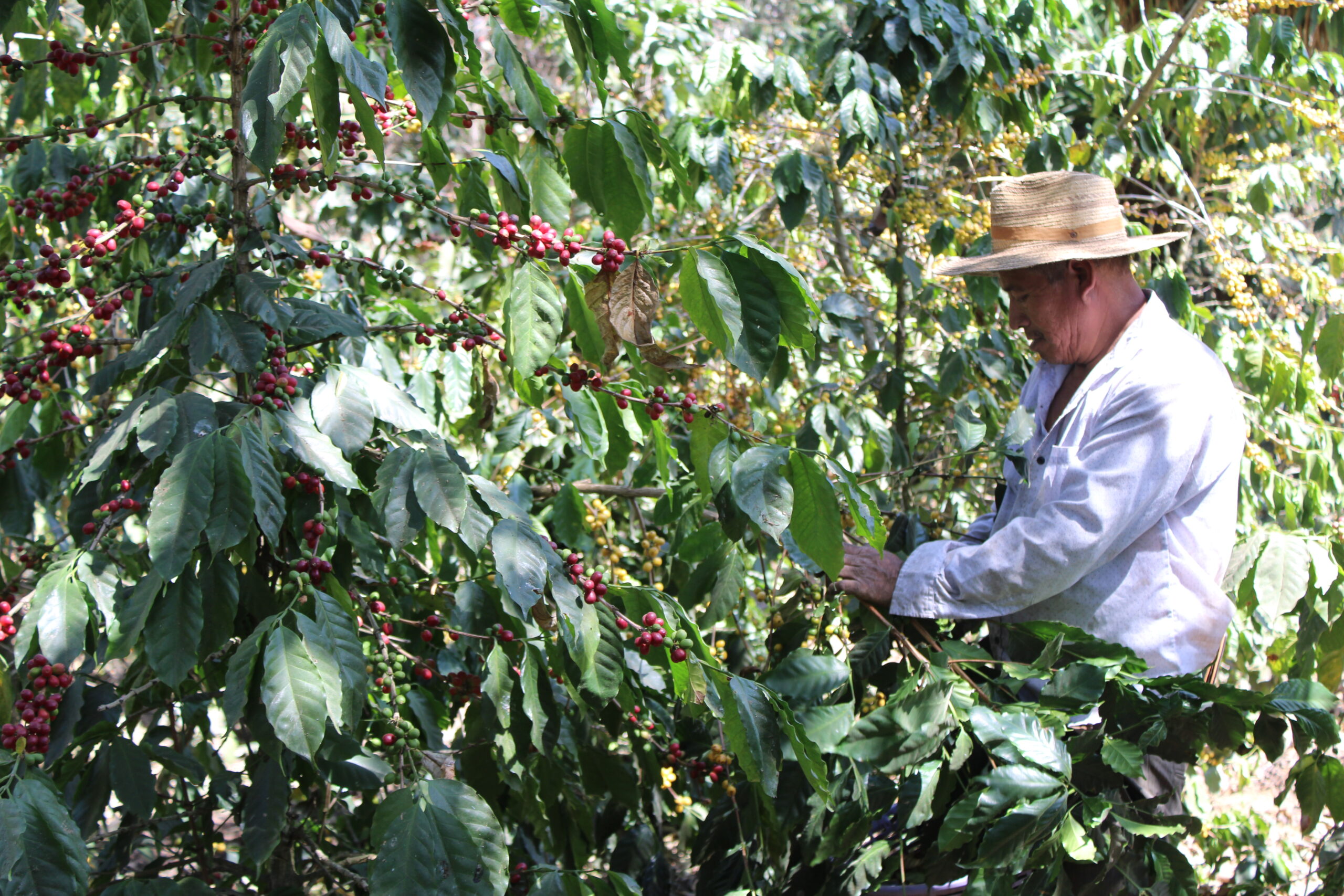
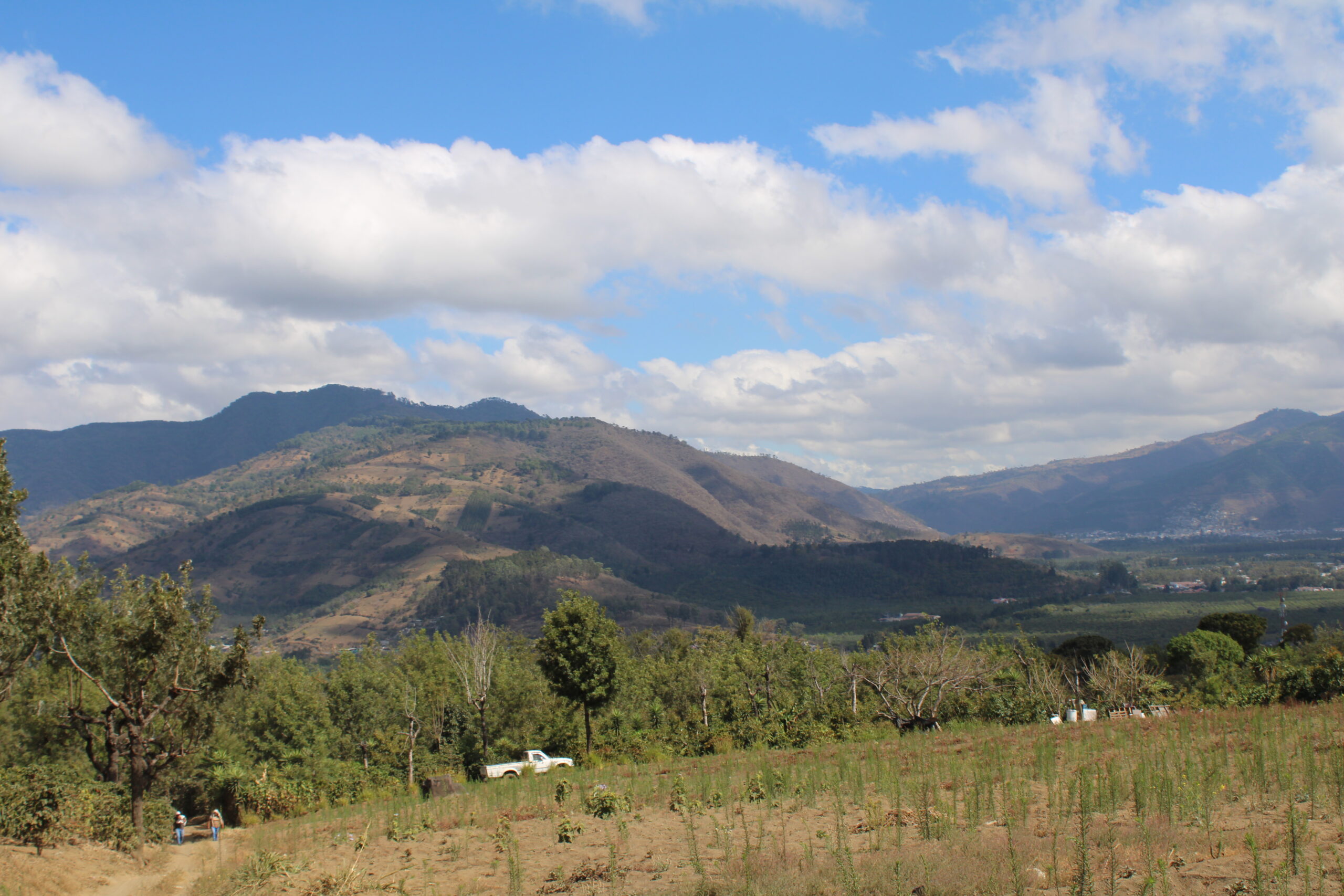
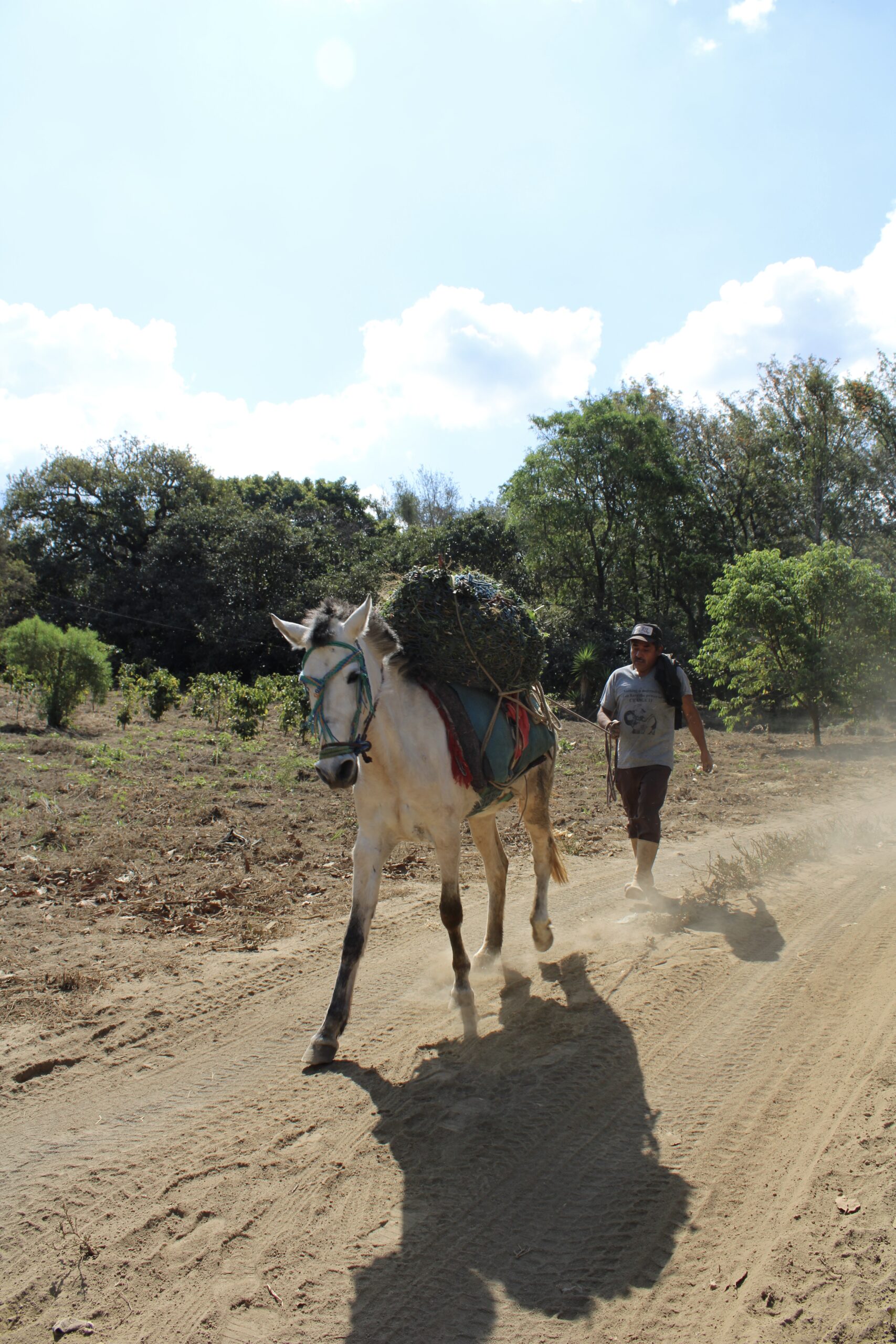
One of the moments that really stood out was visiting Angel and his family. We went to his farm, picked coffee beans, and later joined him in his home where he walked us through the process from bean to cup. I had the freshest coffee of my life that day. Many families have been growing coffee for generations, and you can feel the pride and identity tied to their work. Hearing about their challenges and resilience made everything feel personal and meaningful.
Part of the trip involved working on storytelling projects with producers. Why do you think sharing producers’ stories is important in the coffee industry?
Coffee is something I consume every day, but I had never thought deeply about where it comes from or the people behind it. I think storytelling helps bridge the gap between consumers and producers. A lot of people do not think about where their coffee comes from, so sharing these stories adds a human element and creates more awareness. It also helps give producers recognition for their work and can support more transparency in the industry.
The group also visited organizations like ANACAFÉ and specialty coffee roasters. What insights did you gain about the broader coffee ecosystem?
Organizations like ANACAFÉ provide crucial support, helping producers improve quality, manage sustainability, and access new markets. I learned about their introduction of a new coffee variety, “ANACatorce,” which gives producers an opportunity to grow and sell a more resilient bean. Seeing how producers, roasters, and educators all work together showed me how interconnected the system really is. Every stage, from farm to cup, shapes the final product.
Was there anything about the coffee industry that surprised you during the trip?
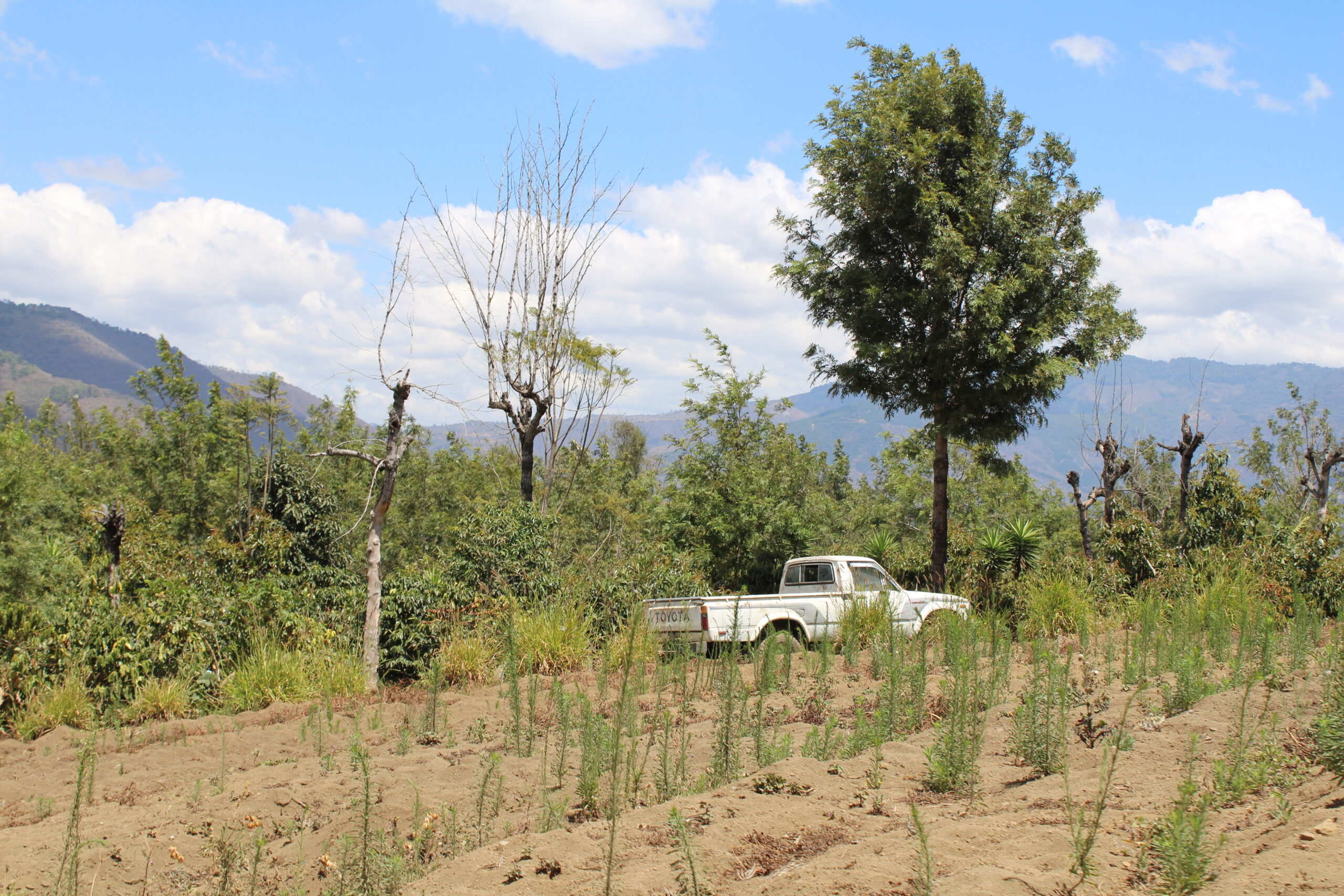
I was surprised by how complex and fragile the industry is. Everything—from weather to global prices—can impact production. On many farms, a single plant disease can spread quickly and devastate an entire crop. I also learned that families often wait months to be paid for their harvest, which really puts into perspective the financial challenges they face. On a brighter note, I loved seeing how farms use biodiversity, like growing coffee under shade trees such as avocados, to make the process more sustainable (and we even got to taste some fresh avocados!).
How did spending time in Guatemala—both learning and exploring places like Antigua—shape your overall experience?
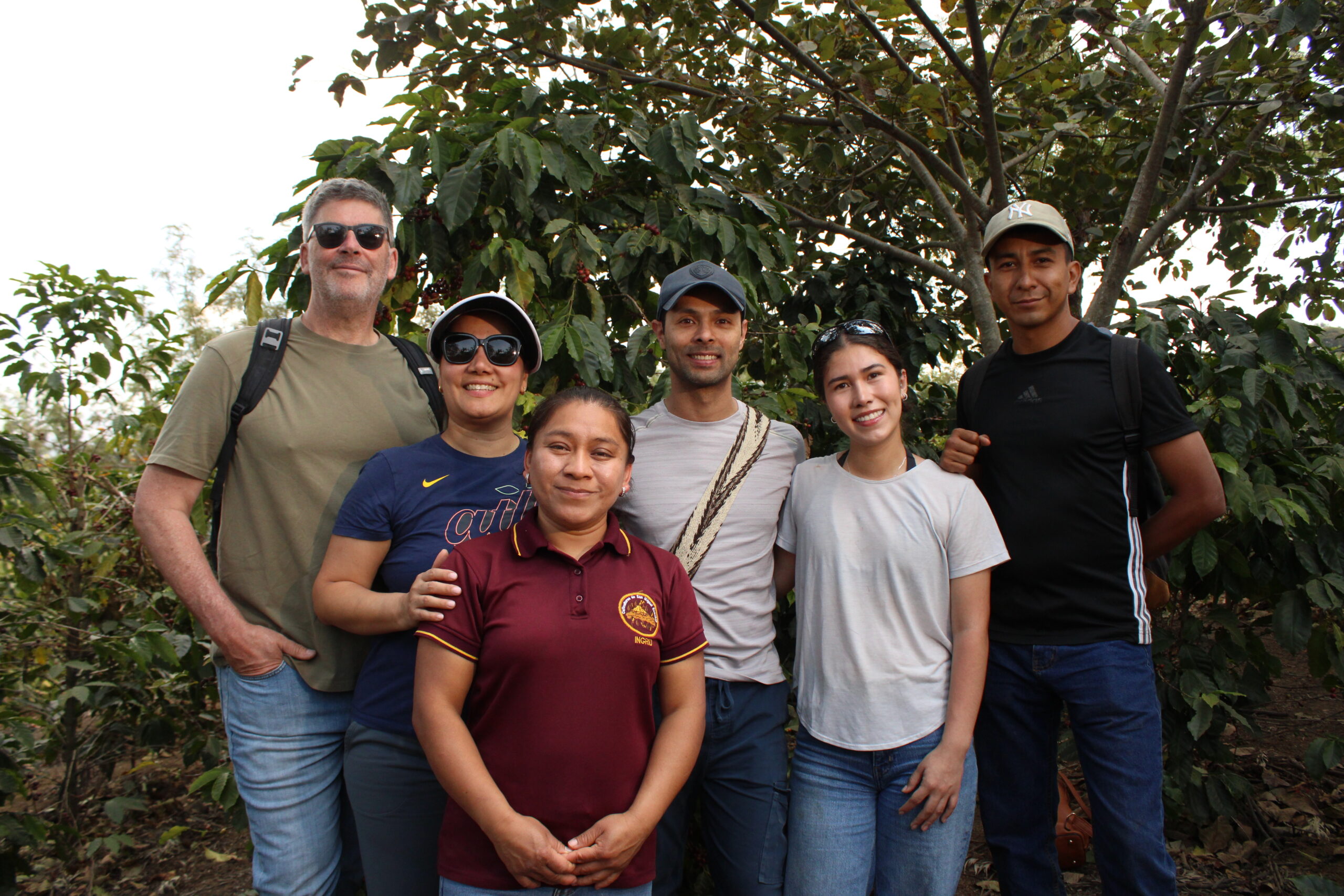
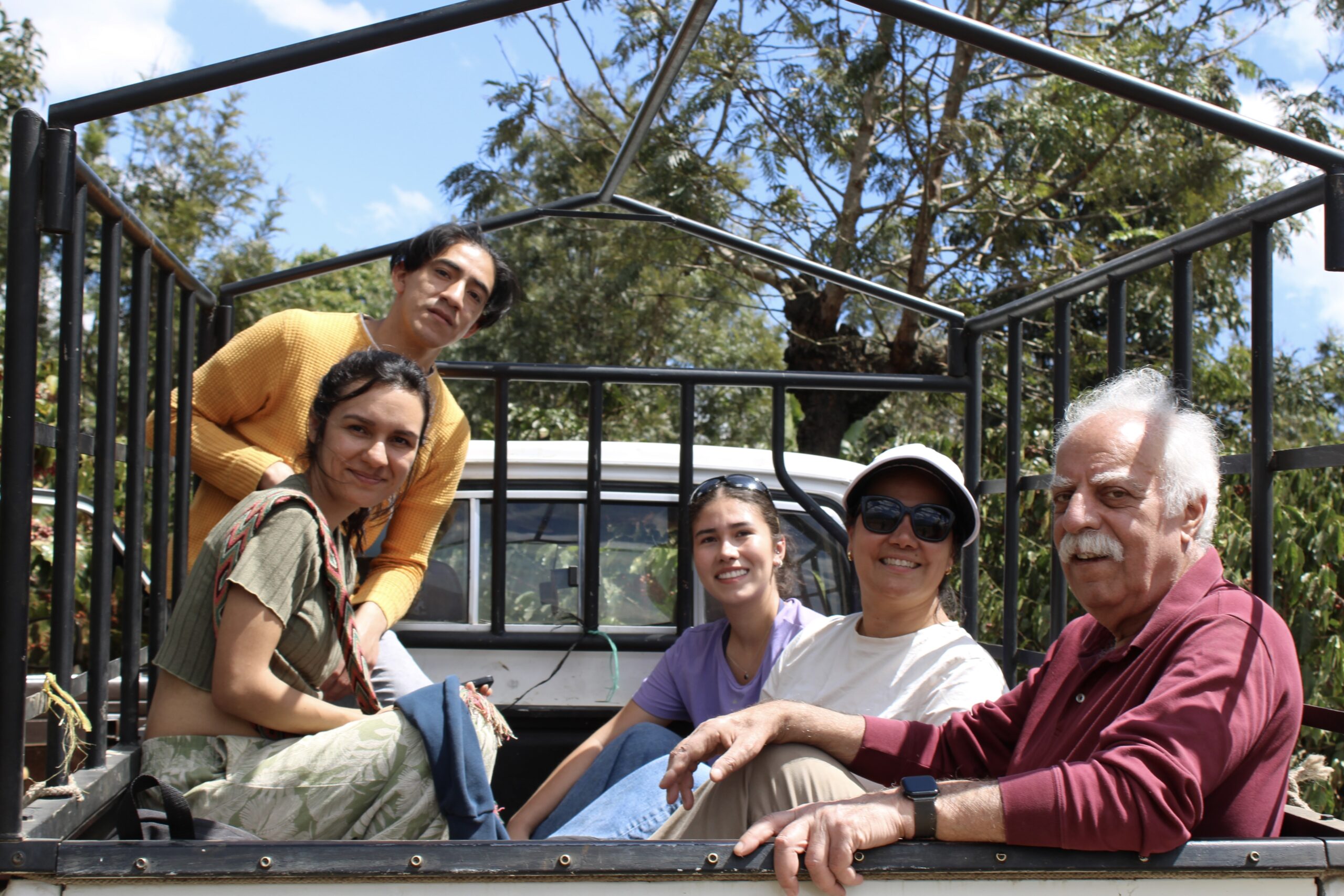
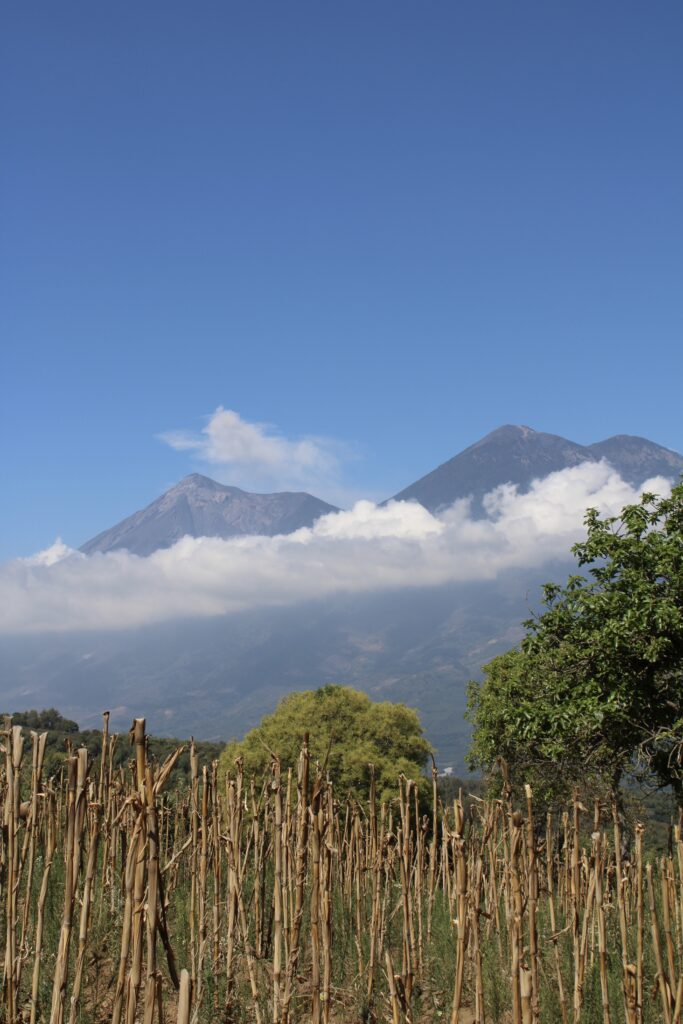
Spending time in Guatemala added a whole new depth to the experience. Antigua was vibrant, full of history and culture, and it made it easy to feel immersed in our surroundings. Getting to explore the city while learning made everything feel more meaningful and connected. What stood out most to me were the people—the genuine relationships we formed made each story behind a great cup of coffee feel personal and unforgettable.
How has this trip influenced the way you think about coffee or the products we consume more broadly?
It’s made me much more intentional. Now, I think about where products come from and who’s behind them. I care more about transparency and ethical sourcing across all industries. After learning that many mainstream coffee companies blend lower-quality beans while charging premium prices, I’ve come to appreciate specialty coffee even more, because it tells a real story and represents people who are deeply dedicated to their craft.
Looking back, what was the biggest takeaway you’re bringing home from this experience?
The biggest takeaway is understanding the human side of business. Behind every product are people, families, and stories that often go unseen. As a business student, it’s easy to get caught up in numbers and profit, but this trip reminded me that business decisions have real human consequences. Awareness, empathy, and responsibility go hand in hand with success.
You shared meals with local families and coffee producers during the trip. What was it like connecting with people in their homes and communities?
Sharing meals with local families was another unforgettable part of the trip. We talked, laughed, and listened to their stories over traditional food and drinks. Speaking with them in Spanish made the experience even more personal. It felt like we weren’t just visitors, we were part of their community for a moment, connected by our shared love for coffee.
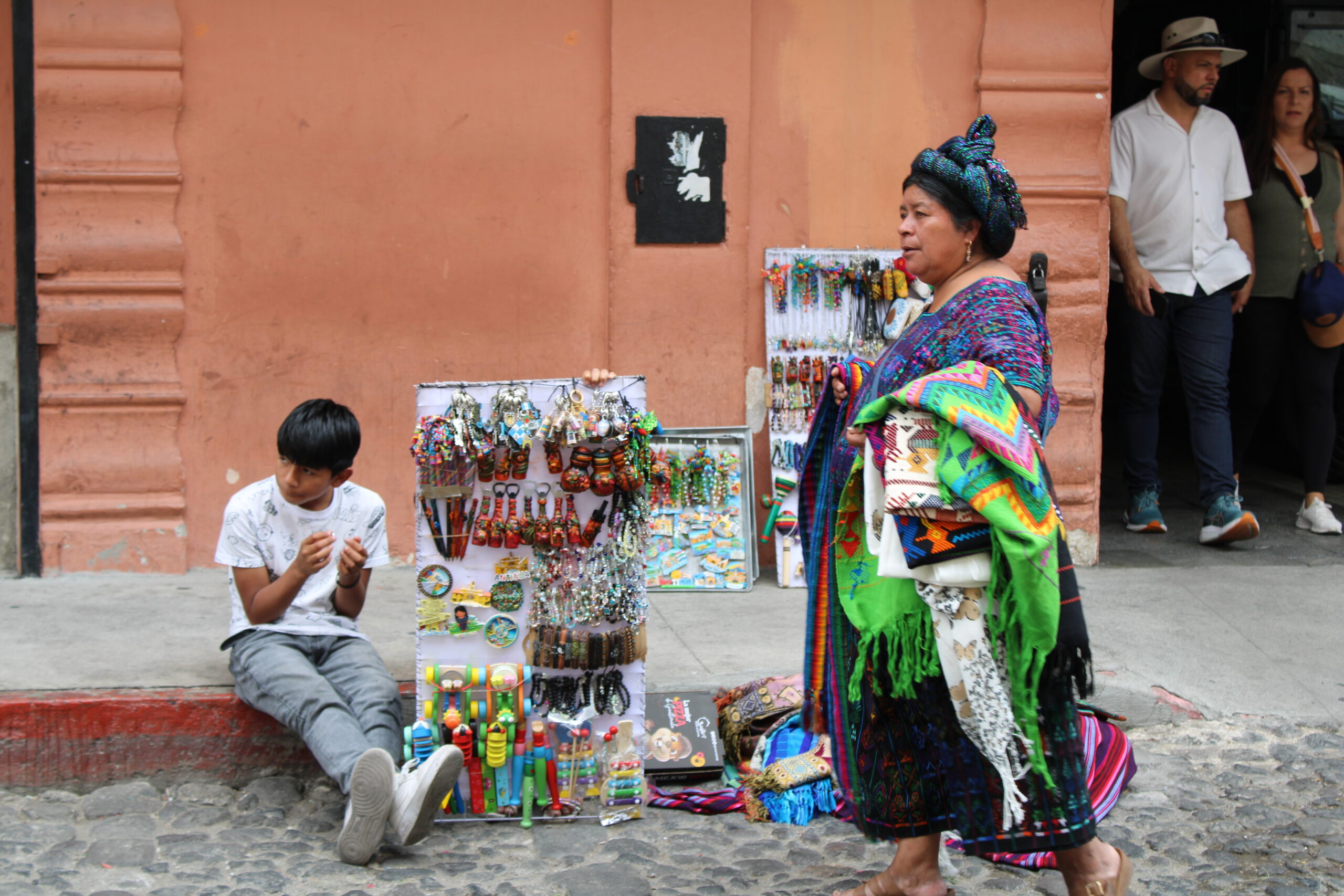
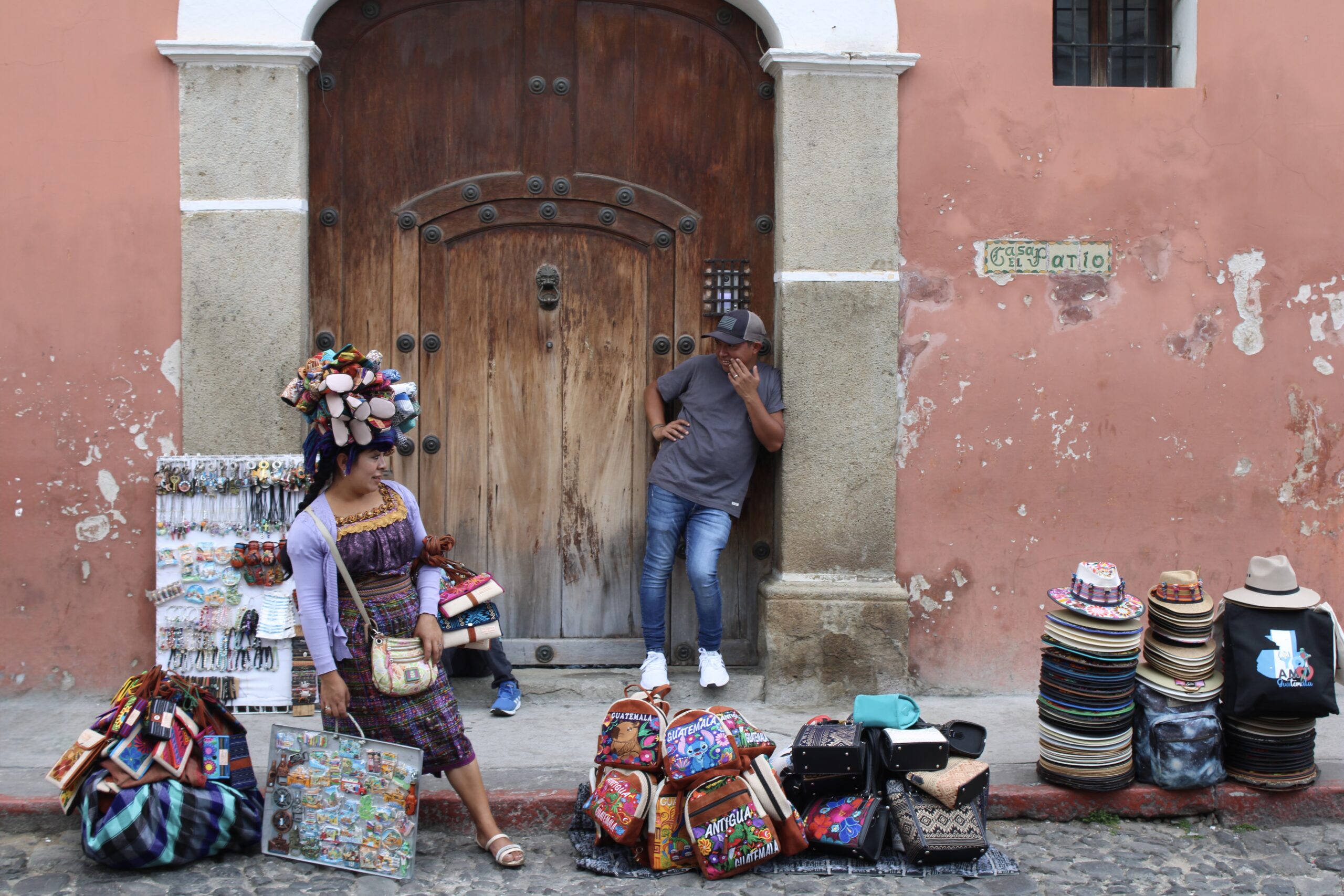
Antigua is known for its beautiful scenery and culture. Did you have a favorite moment exploring the city outside of the scheduled activities?
One of my favorite activities was the coffee shop scavenger hunt around Antigua. We got to visit different cafés, meet passionate baristas and shop owners, and learn how each approached their craft. I met a shop owner named Marko, who shared his perspective on using coffee to create community and social impact. Everyone we met cared deeply about the stories behind their beans.
Looking back on the entire trip, what was one moment that really stuck with you?
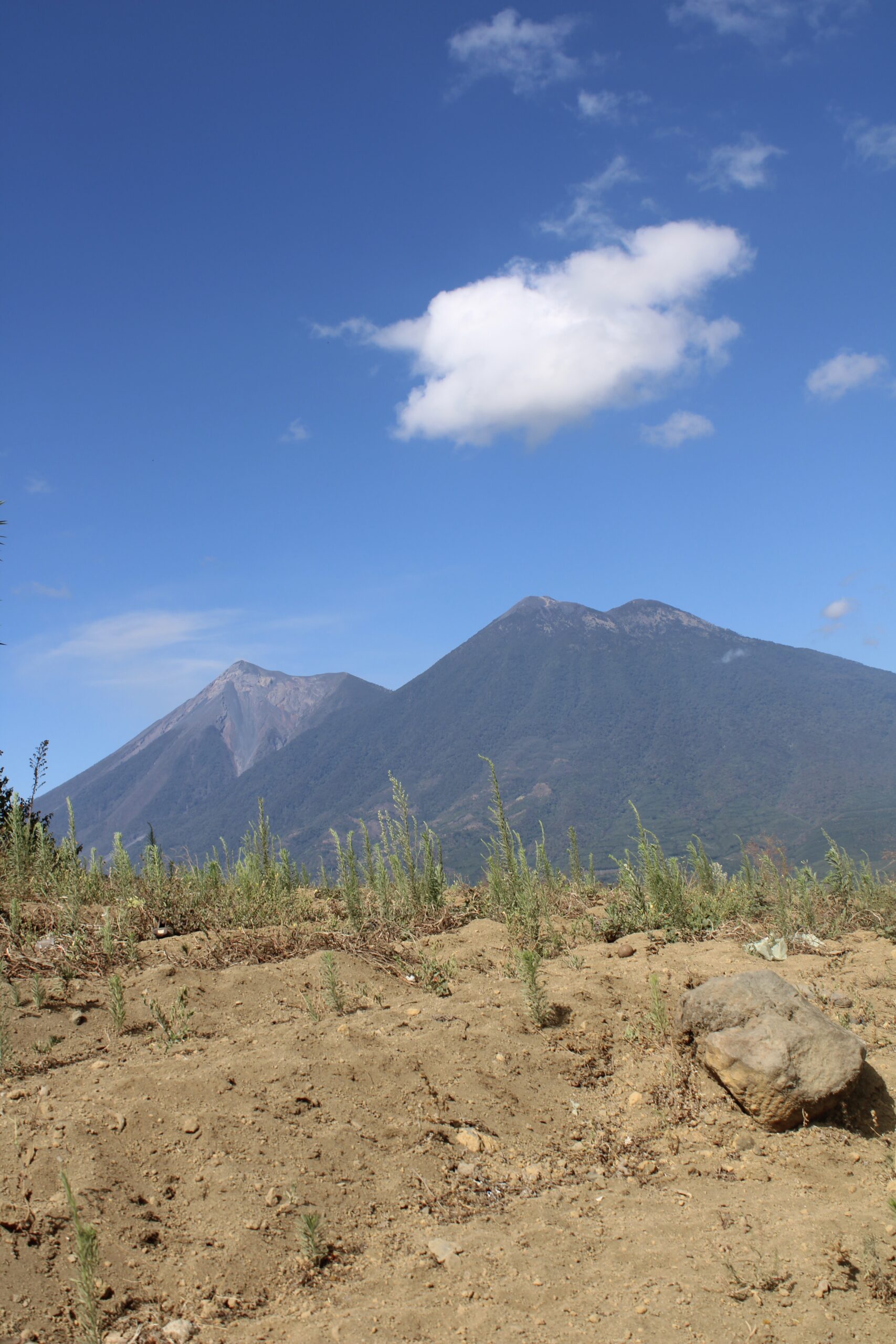
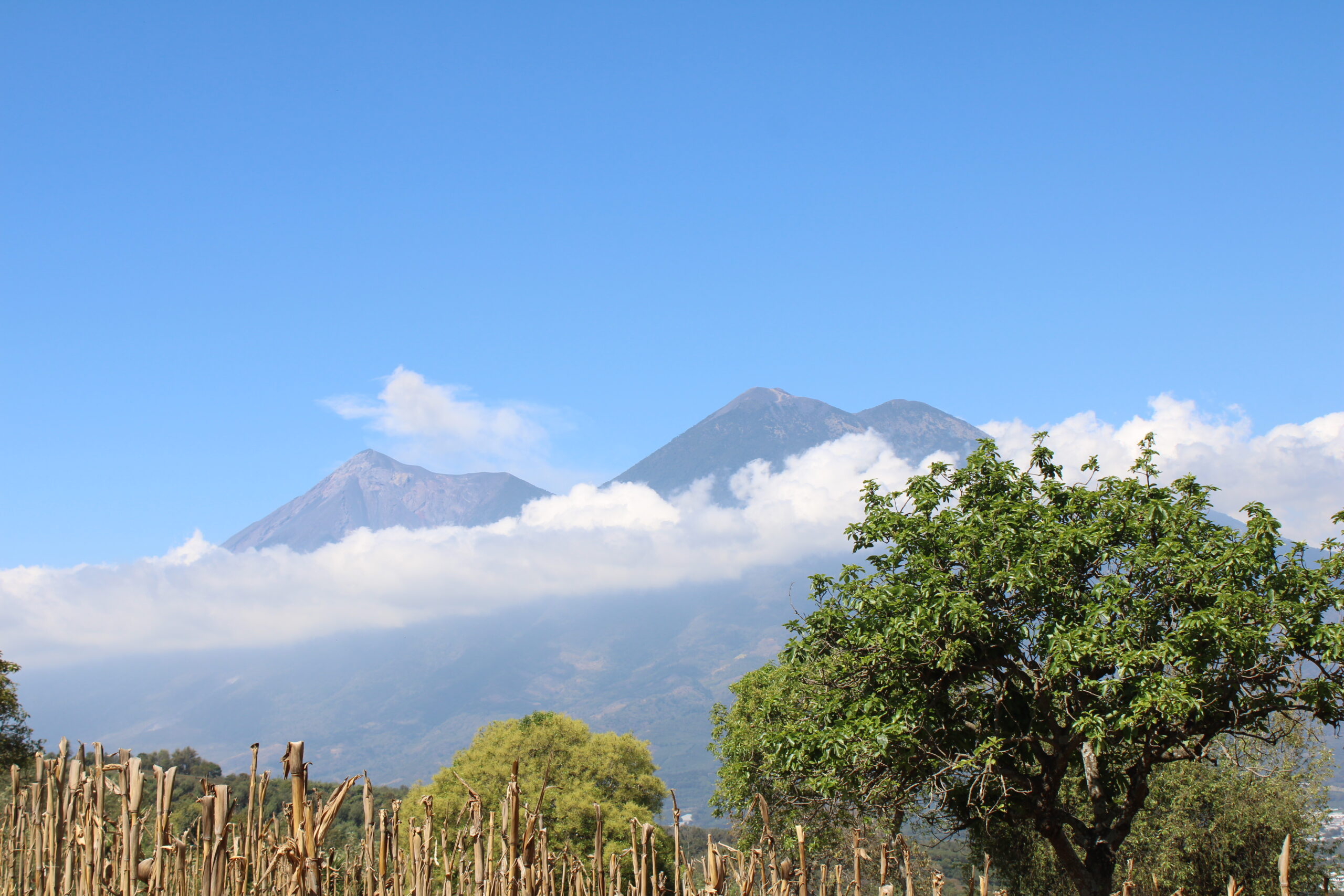
One moment I’ll never forget was standing on Angel’s coffee farm during our first day. Looking out over the fields and realizing how much time, skill, and heart go into something I used to take for granted, it completely changed how I see coffee. That simple moment carried a big lesson about appreciation and respect.
Interested in engaging in specialty coffee immersive learning experiences? The Business & Society Institute is now recruiting Emory University students (both undergraduate and graduate—from all schools/majors) to enroll in their Fall 2026 3-Credit Specialty Coffee Storytelling Directed Study. Learn more and complete the interest form.
