How a Honduras Eye Clinic Inspired New Thinking About Social Impact
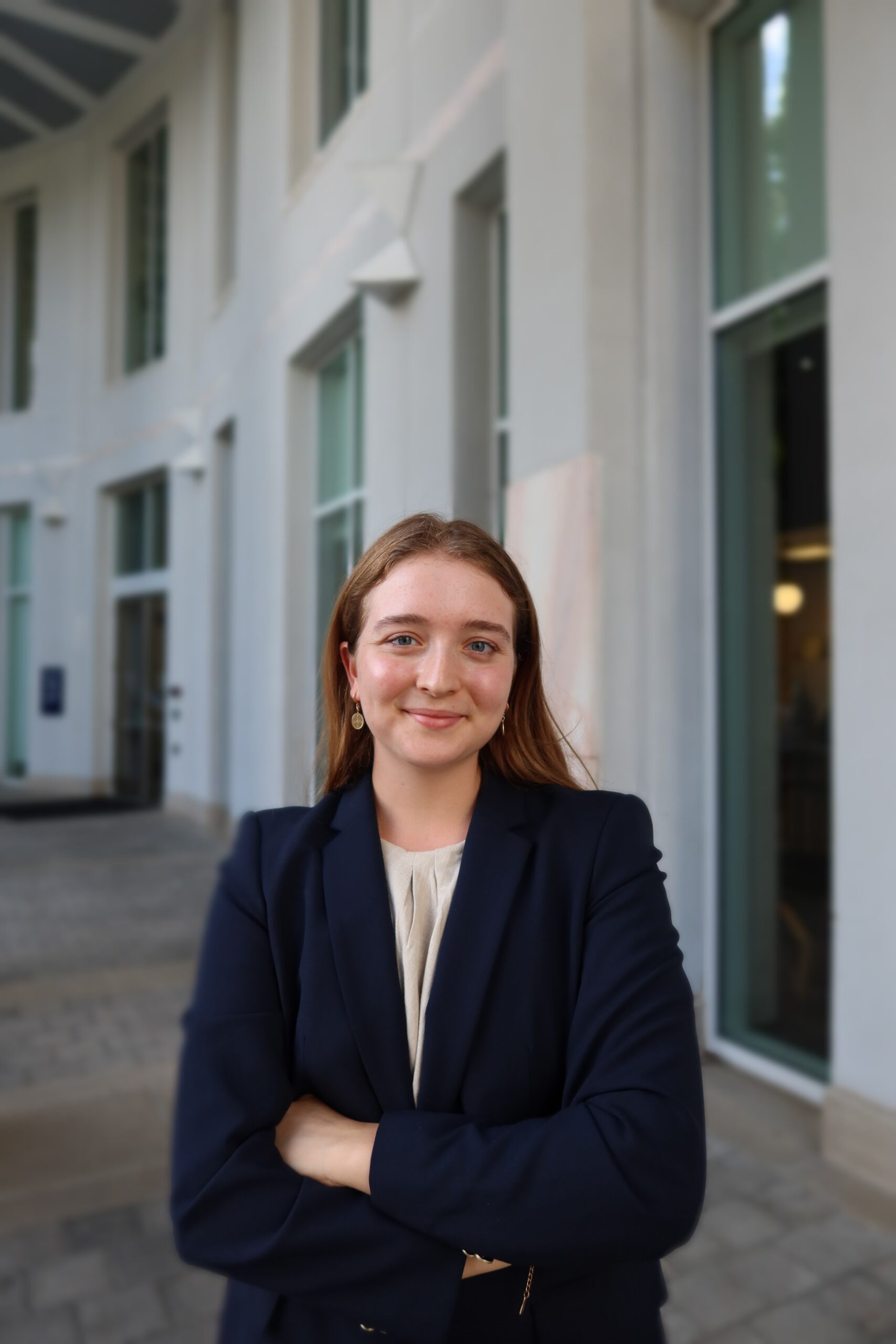
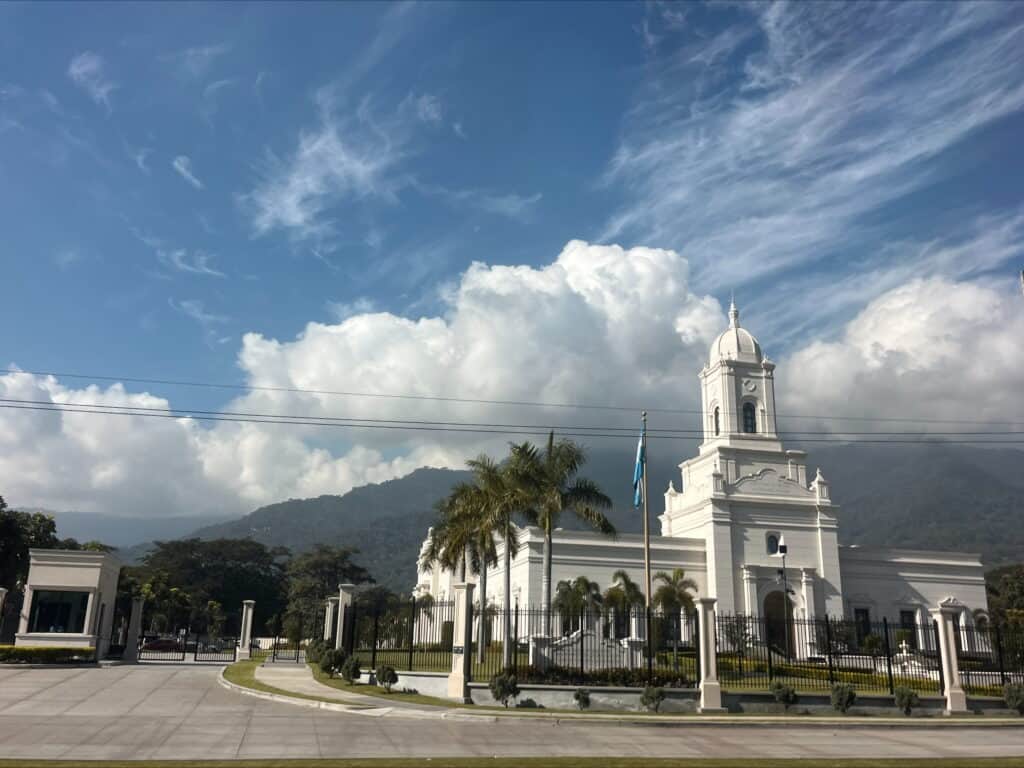
For Clara Wasserman 26BBA, a Directed Study project in Honduras brought together many of the interests that have shaped her time at Emory University. Born in Buenos Aires, Argentina, and raised between the United States and the Netherlands, Wasserman graduated from Emory with degrees in business administration, political science, and accounting. During her time at Emory, she also served as a volunteer medical interpreter for Spanish-speaking patients in the Atlanta area. Through Goizueta’s Business & Society Institute, she traveled to San Pedro Sula to study Hospital Fraternidad, an eye clinic founded by the local Lions Club that has spent more than two decades providing life-changing vision care to underserved communities. Working alongside faculty, PhD students, and fellow undergraduates, she helped examine the factors behind the clinic’s growth and success, with the goal of identifying lessons that could be applied to other humanitarian initiatives around the world.
Tell us a little about yourself — your background, program at Goizueta Business School, and what drew you to the Business & Society Institute.
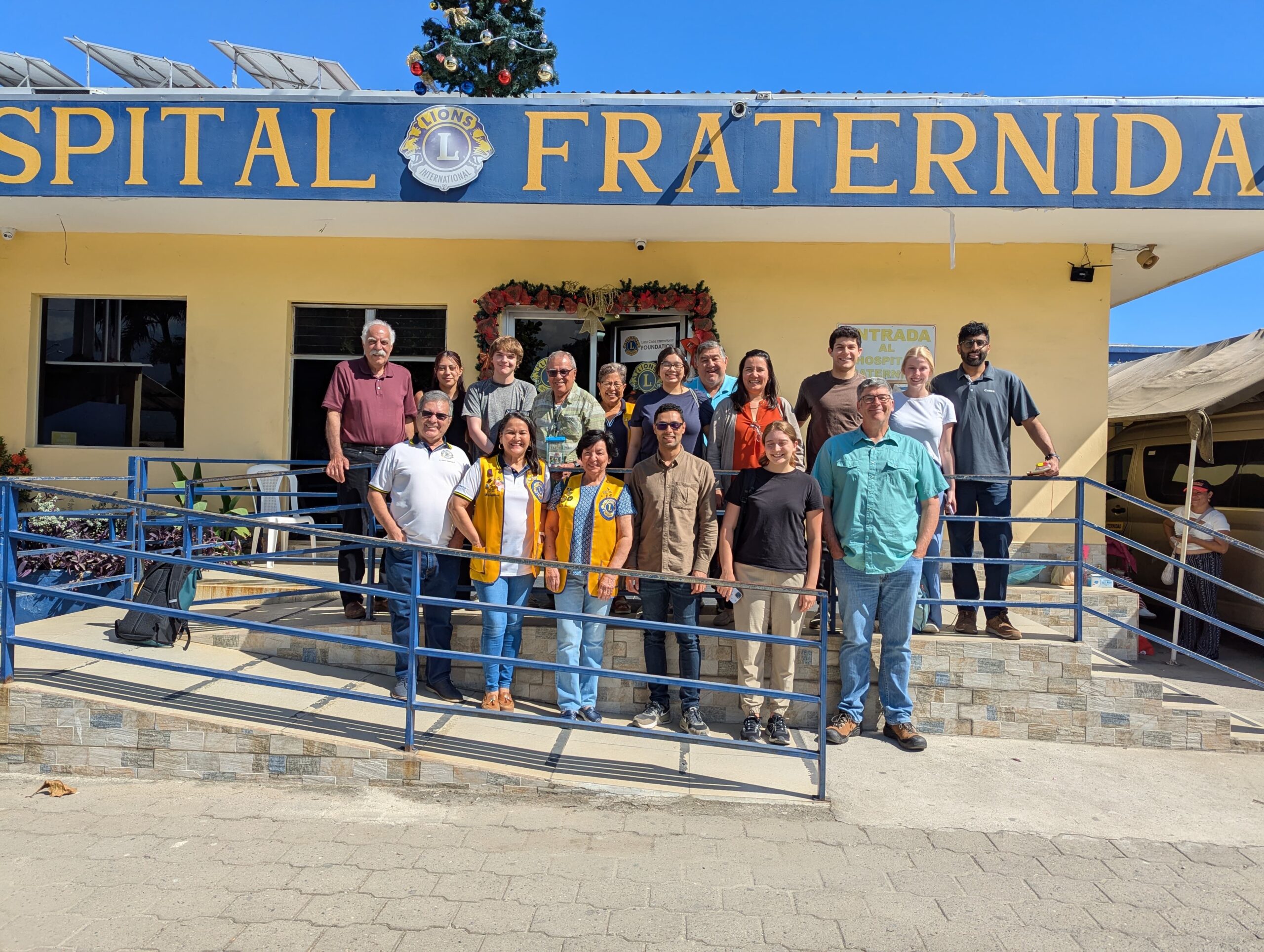
Yes, this directed study project is focused on the Hospital Fraternidad eye clinic, founded more than 20 years ago by the local Lions Club chapter in San Pedro Sula, Honduras. Under the umbrella of the organization’s international message of addressing blindness worldwide, leaders within the San Pedro Sula community and their spouses have worked to provide free or at greatly reduced costs life-changing treatment to an underserved population. My role in supporting the eye clinic involves understanding why the clinic has been so successful in its growth and impact, with the hope of replicating its success in other humanitarian projects. Overall, we wanted this project to move toward uplifting the Honduras Fraternidad eye clinic’s hard-earned success story with the hope of inspiring similar initiatives to follow in their footsteps.
What inspired you to get involved with this project?
I was inspired to get involved in the project due to a multitude of reasons. Some purely logistical, some driven by intellectual curiosity and an interest in strengthening my research skills, but mostly because the skills required for this project and its overall mission were ones I was deeply familiar with. I have been a Spanish medical interpreter at Emory University’s VMIS club for the past three years, where I help limited English proficient patients reach the standard of health care they are entitled to. Similarly, in the Honduras project, I was a part of a mission that required my skills as a bilingual individual to bridge cultural and linguistic differences. I felt that helping to tell the story of inspiring people hoping to make a positive change in the world was a worthwhile way to spend my last semester at Emory.
What was a typical day like during your trip to Honduras?
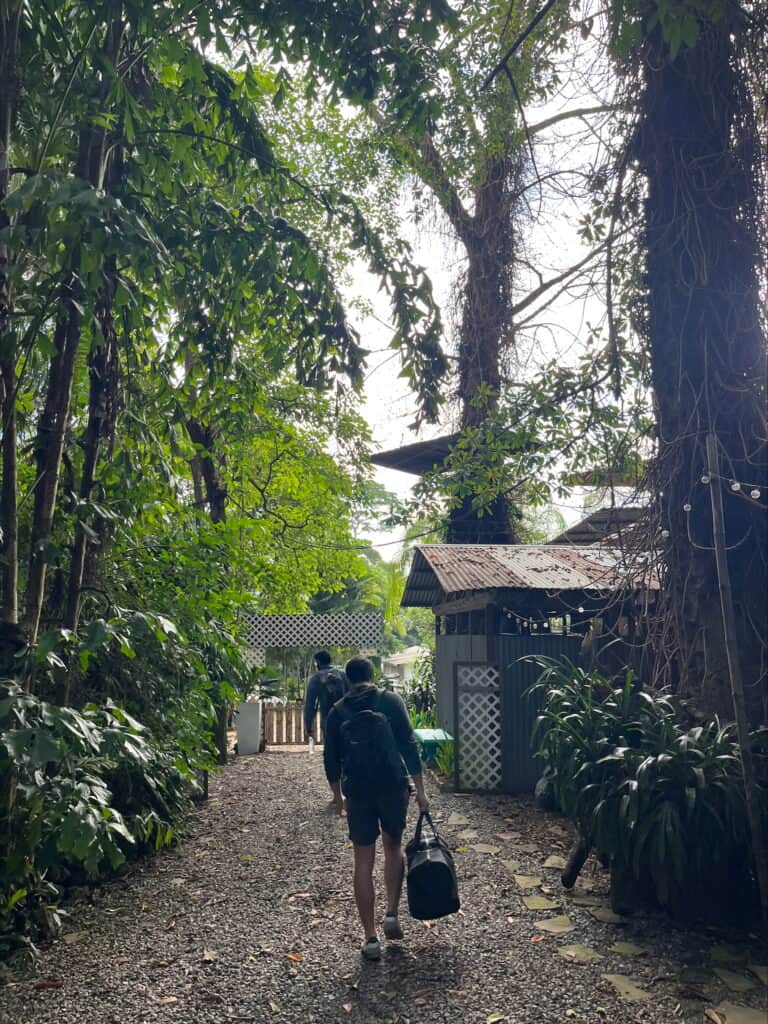
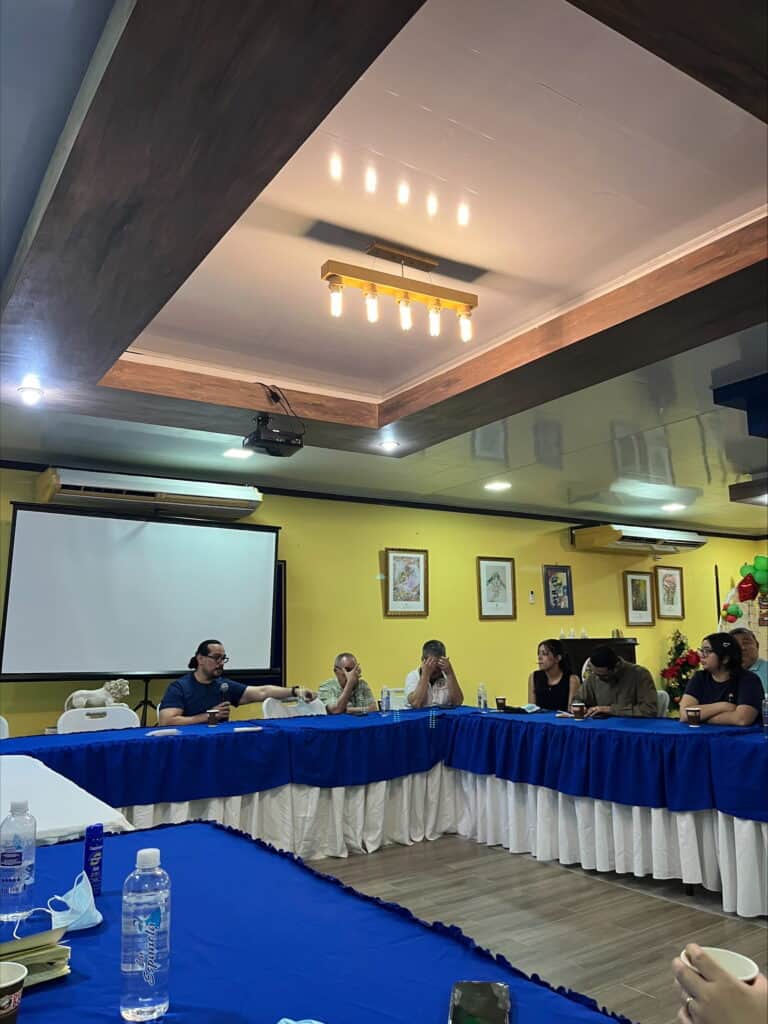
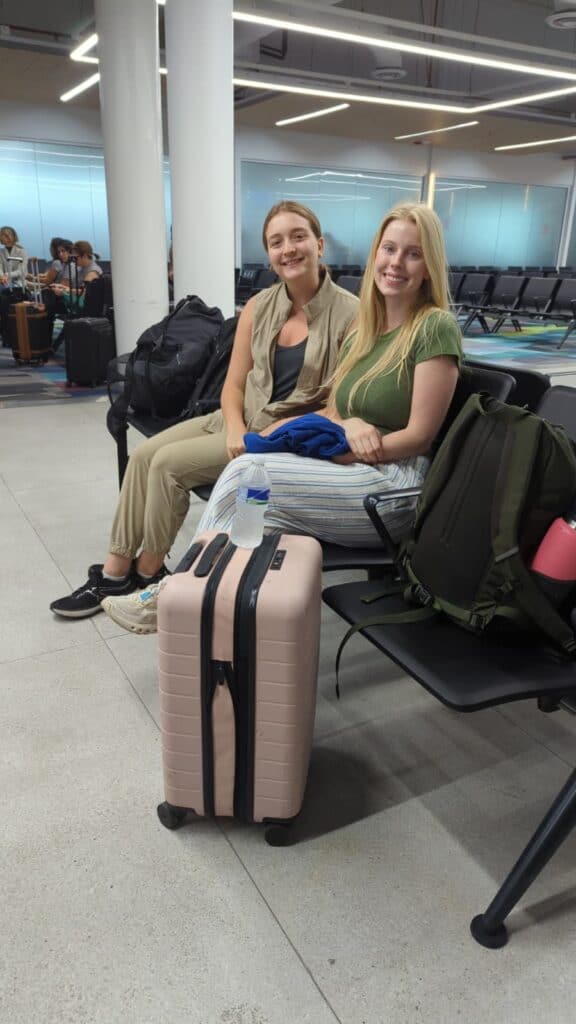
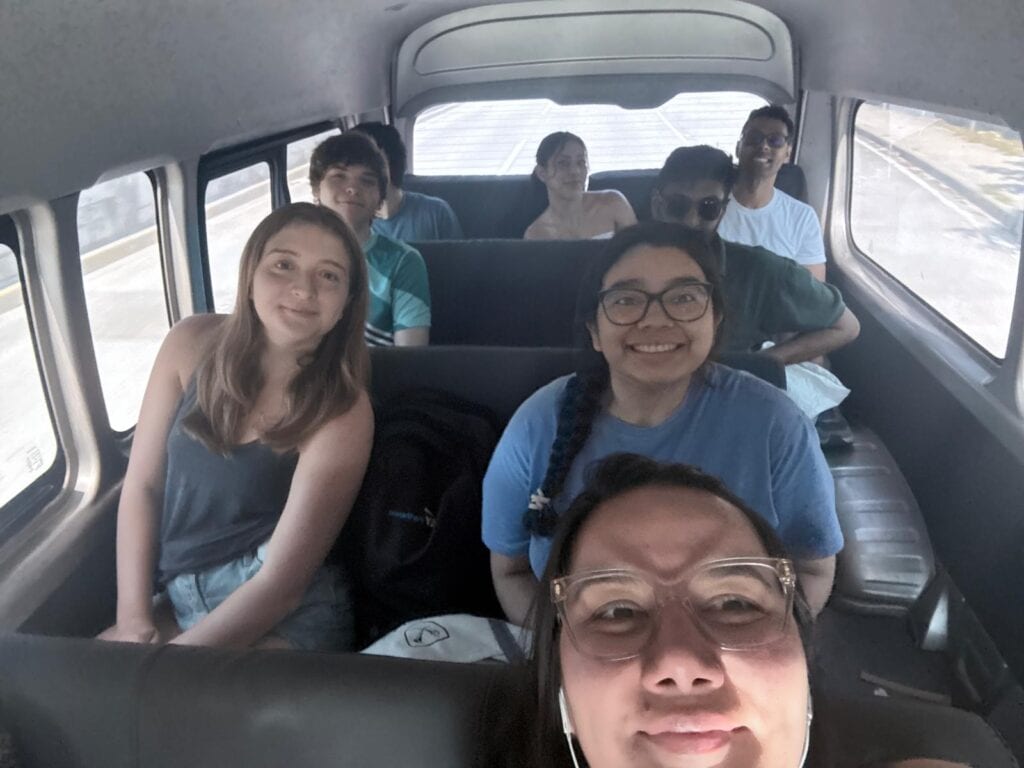
Our typical day was waking up at the hotel and sharing a traditional Honduran breakfast with the team, where we took the time to discuss our goals for the day regarding what questions we wanted to ask and details we wanted clarification about from the eye clinic team. We would travel to the San Pedro Eye Clinic, where the Local Lions Club would welcome us, give us a detailed tour of the facility, and graciously sit through what felt like hours on end of subject-specific and detail-excavating questions. They were very generous with their time and the level of dedication they provided us. After we conducted our interviews, we would head back to the hotel, regroup, and my favorite part: Professor Peter Roberts and Professor Robert Kazanjian would split the undergraduate students into teams to be led by the PhD students, and we would embark on creating a detailed timeline and a hypothesis about critical resources or turning points. If we were in a prime location, the groups would order a slice of cake and coffee to enjoy while we did our work together. It was a great bonding experience and motivator.
How did the experience of working with the Echo Foundation and supporting cataract surgeries shape your perspective on social enterprise and global impact? What skills or lessons from this experience will you carry forward in your career or future projects?
From this experience, I learned that social impacts are fragile and heavily depend on the will of dedicated individuals to progress. While emotionally moving to observe how people around the world are taking steps to move metaphorical mountains to try to instigate positive change in the world, it was also exhausting to hear their meritorious actions and stories. In the future, I would like to work toward facilitating the ideation, execution, and longevity of philanthropic pursuits, and I think this research is a key step in that direction.
What challenges did you face while working on this project, and how did you and your team overcome them?
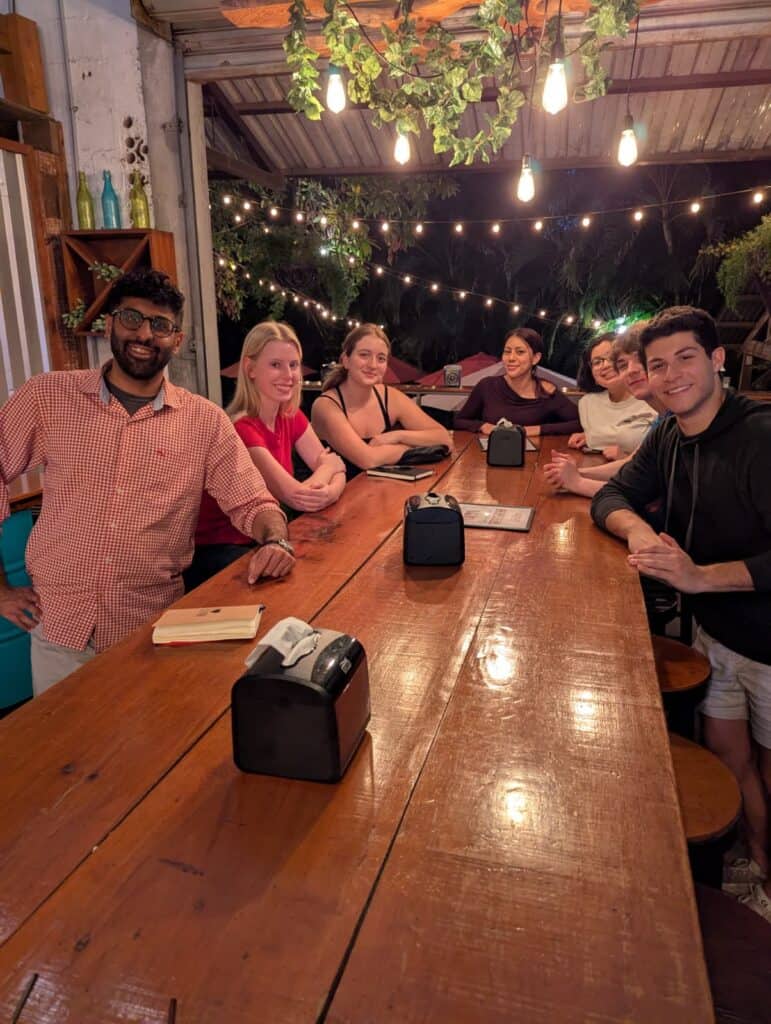
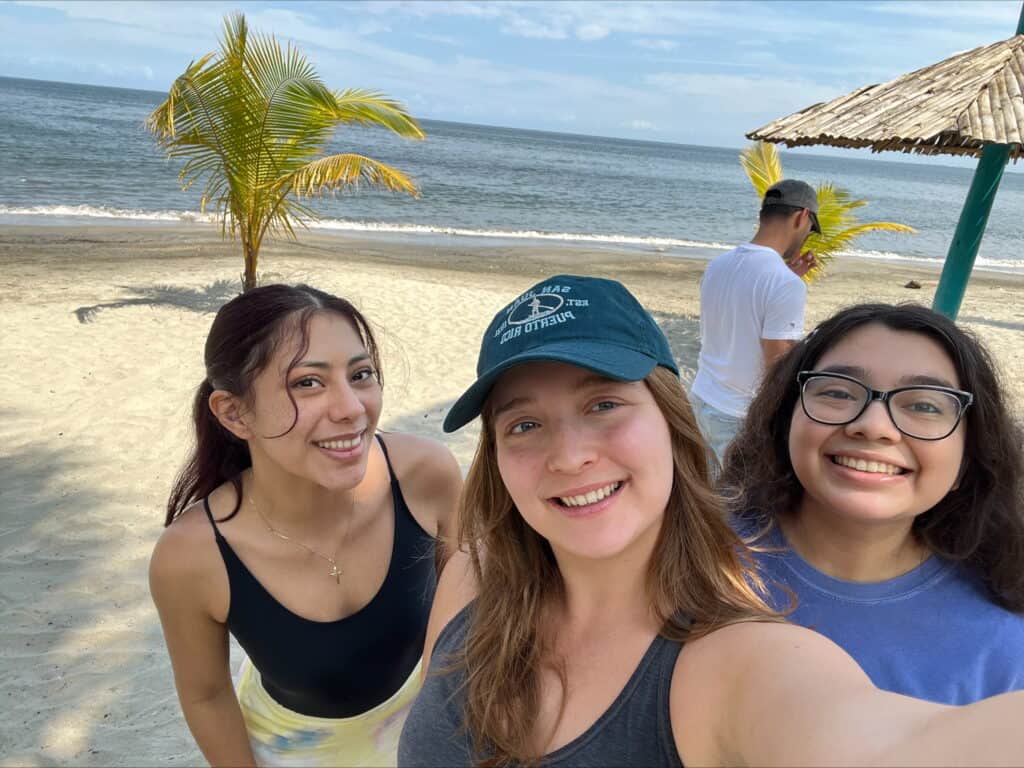
I think a challenge we faced was being physically away from the Honduras HF team. Life gets busy, and we know that it may prove difficult to continue the momentum we wanted to create while in person in Honduras. To try to mitigate this issue, I think the team did a fantastic job of creating meaningful connections with the people of the Lions Club and the HF eye clinic. It was a memorable moment for me to spend the evening with the local Lions Club members, sharing food and drinks at a local restaurant, learning about their lives outside of HF, and what drove them to dedicate the second half of their lives to philanthropy. We found that when we returned to the States, the contacts we had formed and gained while in Honduras were equally receptive and engaged in our project. It made the prospect of collecting data and information all the more enjoyable, knowing people were excited to share their story and hoping to get involved.
How did faculty and the Social Enterprise Fellows support the work and enhance your learning experience?
The professors and PhD graduate students who were a part of this research initiative made all the difference in the quality of my research experience this semester. It was especially impressive to observe how Professor Peter Roberts and Professor Robert Kazanjian led the group and made two groups of people, one vastly more knowledgeable and technically advanced than the other, collaborate and feel valuable for the execution of the final product. It was an amazing experience to learn from Ajay Shah and Robin Garces Marin, two Goizueta PhD students, how to approach a problem, how to study different perspectives, and most importantly, how to foster and sustain teamwork. Overall, I think the Honduras research group did a great job in maintaining a personal connection with one another through weekly meetings and team assignments throughout the asynchronous semester, which I believe made all the difference when it came to collaborating with my peers and seeking help or advice from my superiors.
For students considering a similar experience, what advice would you give them?
I would first definitely encourage them to explore the Institute and apply! In their pursuits, I would simply advise authenticity and thoughtfulness. This program isn’t just an option to fulfill a BBA requirement. Instead, it’s a way to progress academically while producing change that can positively impact the lives of others outside the Emory bubble most students reside in during the academic year. The intention of the work deserves dedication from people who want to step outside normal class responsibilities to learn, empathize, and collaborate.
Is there anything else you’d like the Goizueta community to know about this project or its impact?
Nothing beyond saying that I highly recommend this experience and if you are curious about research, the Social Enterprise Institute is a fantastic way to dip your feet in and explore with expert faculty.
